Speaker Craft

All materials chosen for sound quality.

Compatible with all types of music.

Since 2025

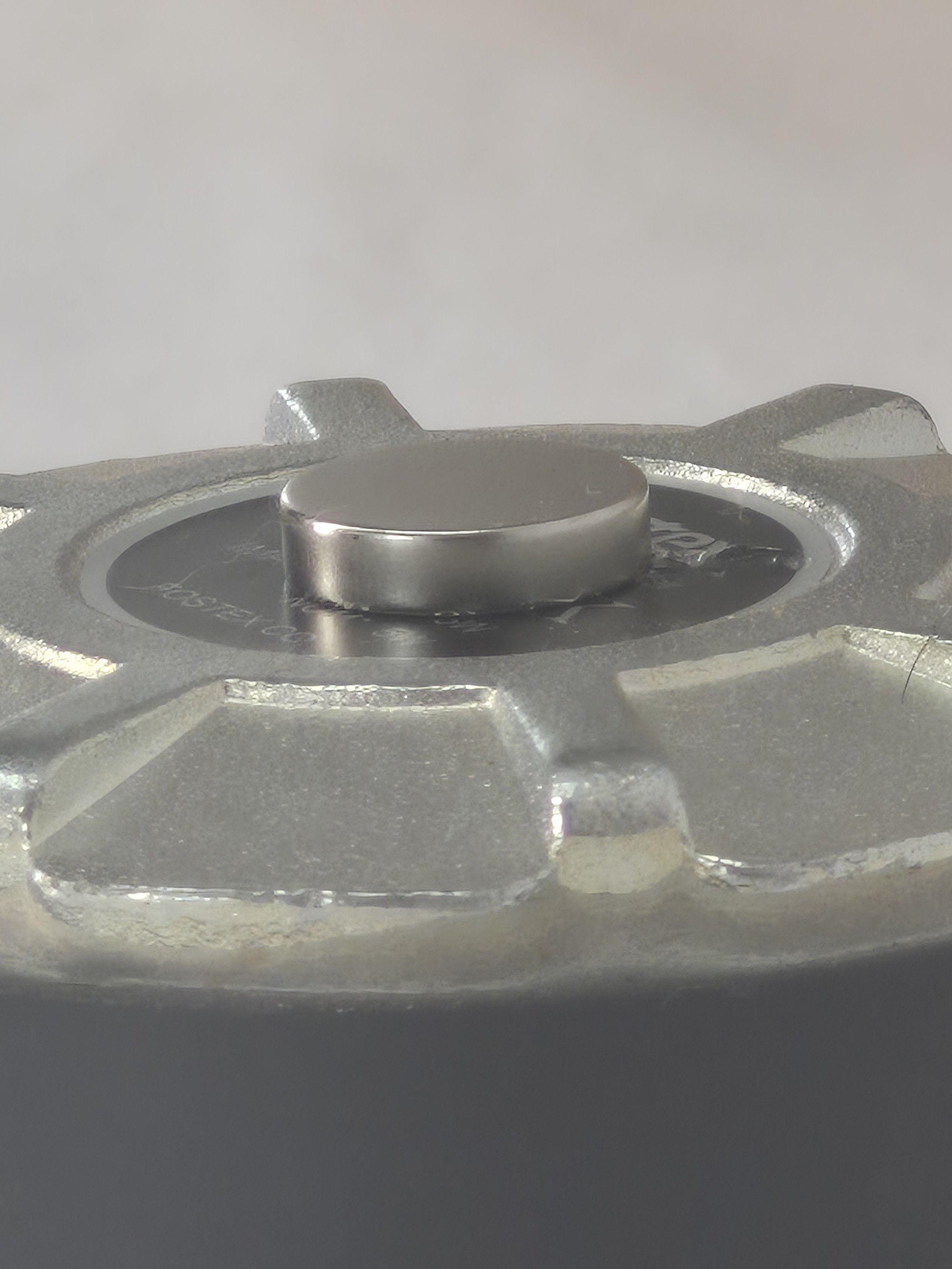
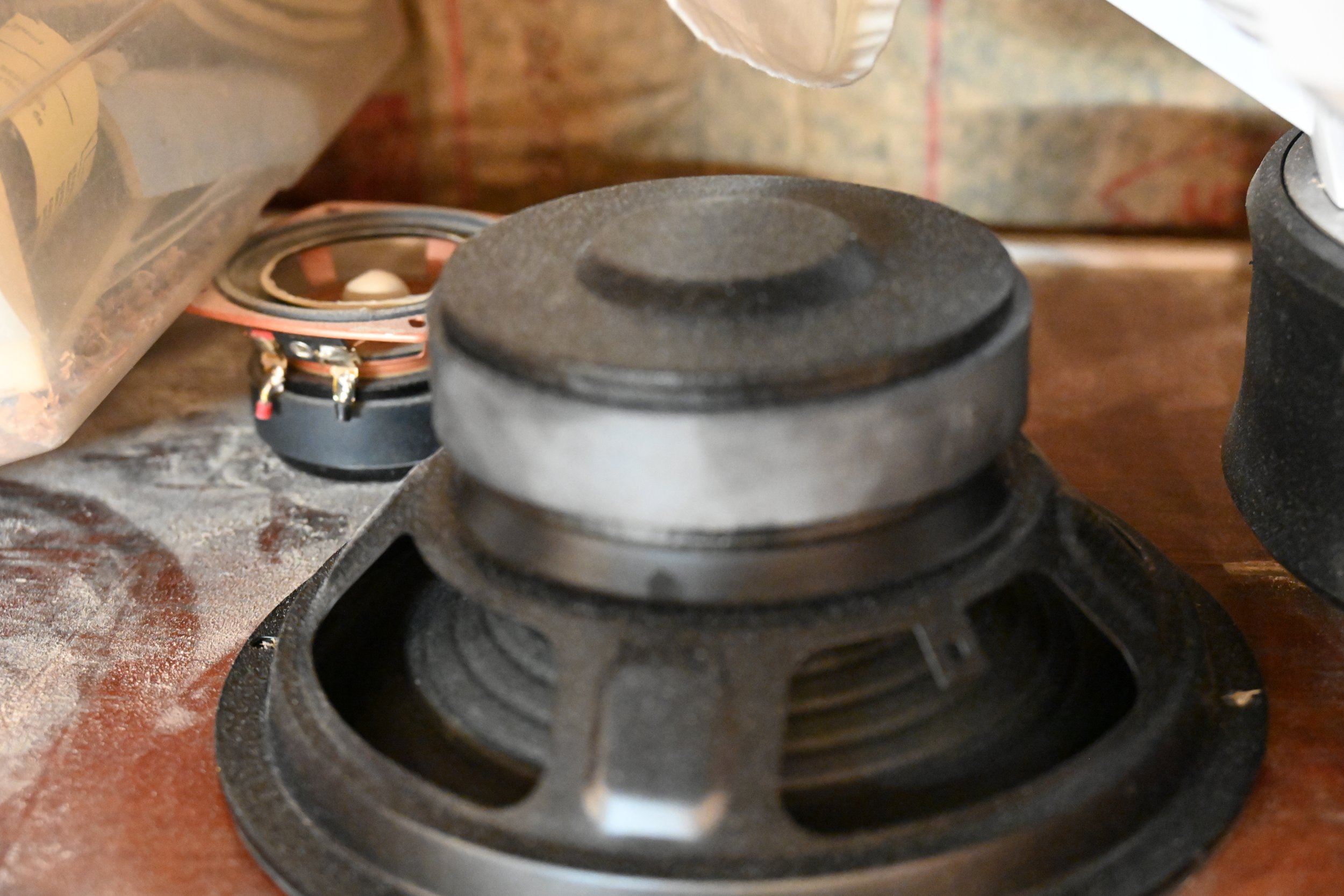
Super magnets significantly boost the sonic performance of every wide band speaker driver used in the Blumenstein Audio product line.

Neodymuim super magnets super charge the stock ferrite magnetic circuit giving slightly greater power and clearer tonality. And before you go trying this on whichever speaker drivers you have at home - know that the size / type of the additional magnet chosen matters immensely to the final sonic result.

The end goal is only to nudge ferrite magnets in the direction of sounding more like alnico, but not too far otherwise the sound can become brittle. It’s like mixing paints / optical sources to achieve the desired result, a better representation of nature. The goal is to achieve more of a “daylight” type magnetic source. But not so much additional magnetism that it begins to push the sound into “Flourescent” territory, or too tilted towards Neodymium’s sonic signature. It took several iterations to arrive at the ideal balance of size vs grade of each booster magnet for each driver model that offered maximum benefit to the sound quality.

Since 2025

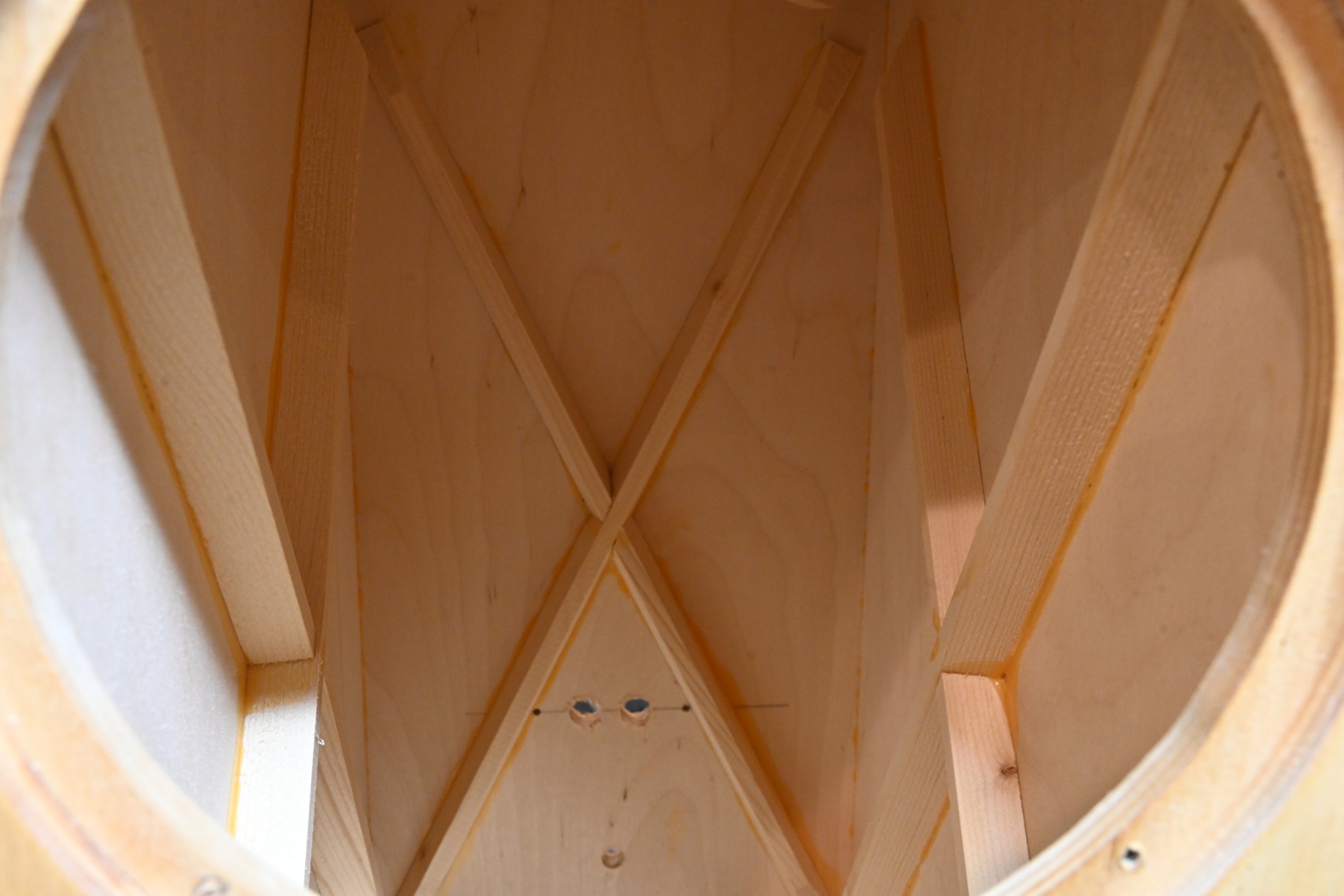
Solid wood interlocking internal braces - dried and milled from solid lumber for maximum axis of strength. Interlocked joinery like inside a guitar. Much like a guitar shop, our internal bracing architecture is an ongoing and slowly iterative process across dozens of production runs. There were major revisions to bracing sizes and layouts in 2011, 2014, 2018, 2022, 2025.

Since 2022

Tuned Thickness cabinet walls - thickness of cabinet walls varies based on its size and position in the speaker cabinet. Meaning, some cabinet walls are deliberately thicker than others. Varying cabinet wall thickness relative to the span of each cabinet wall evens out the strength and resonance across the cabinet thus spreading it more evenly throughout the enclosure. Together with the solid wood interlocking internal braces means lower intensity spikes in resonance than if the entire cabinet been built in a uniform material thickness.

Since 2022

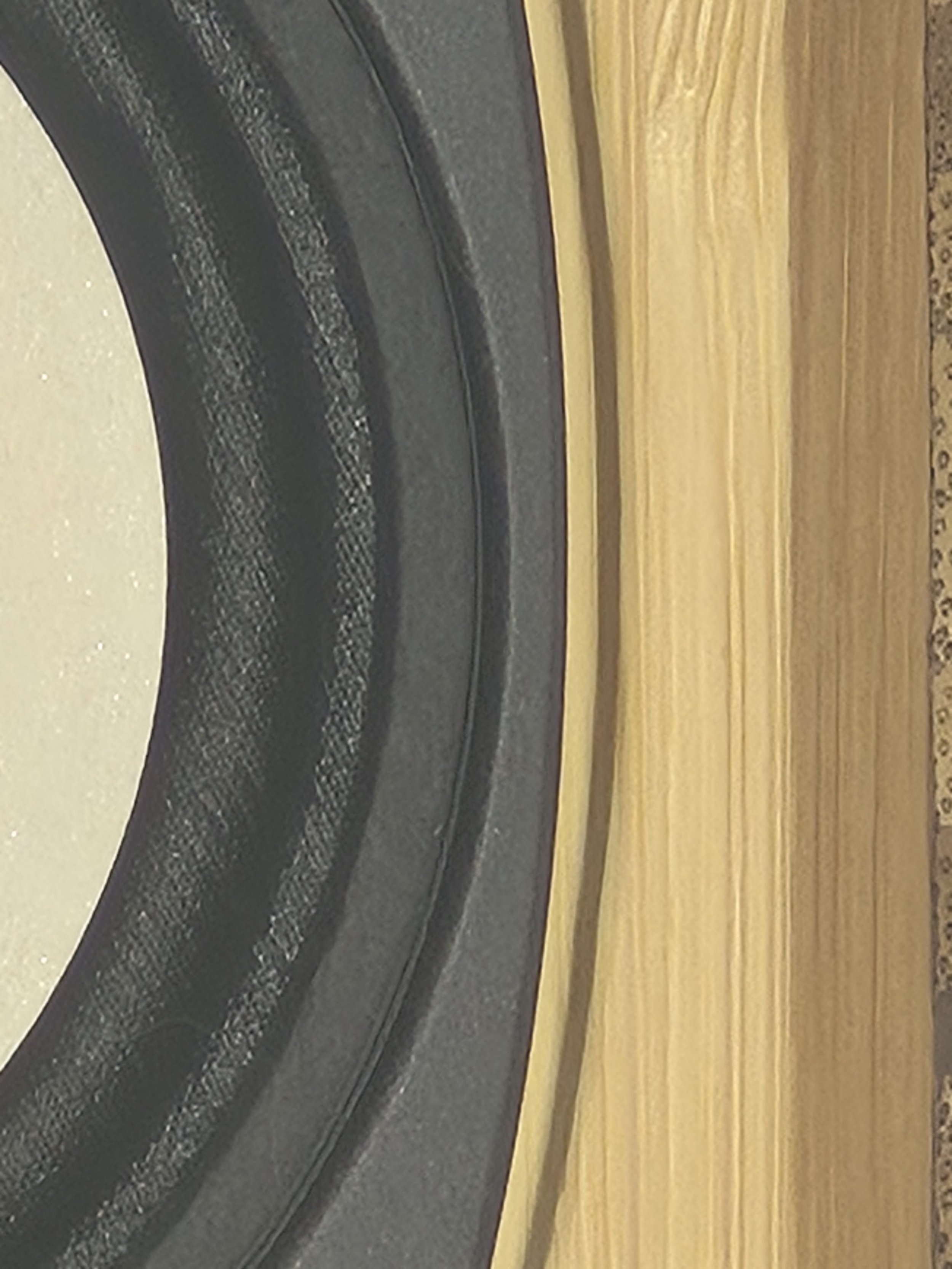
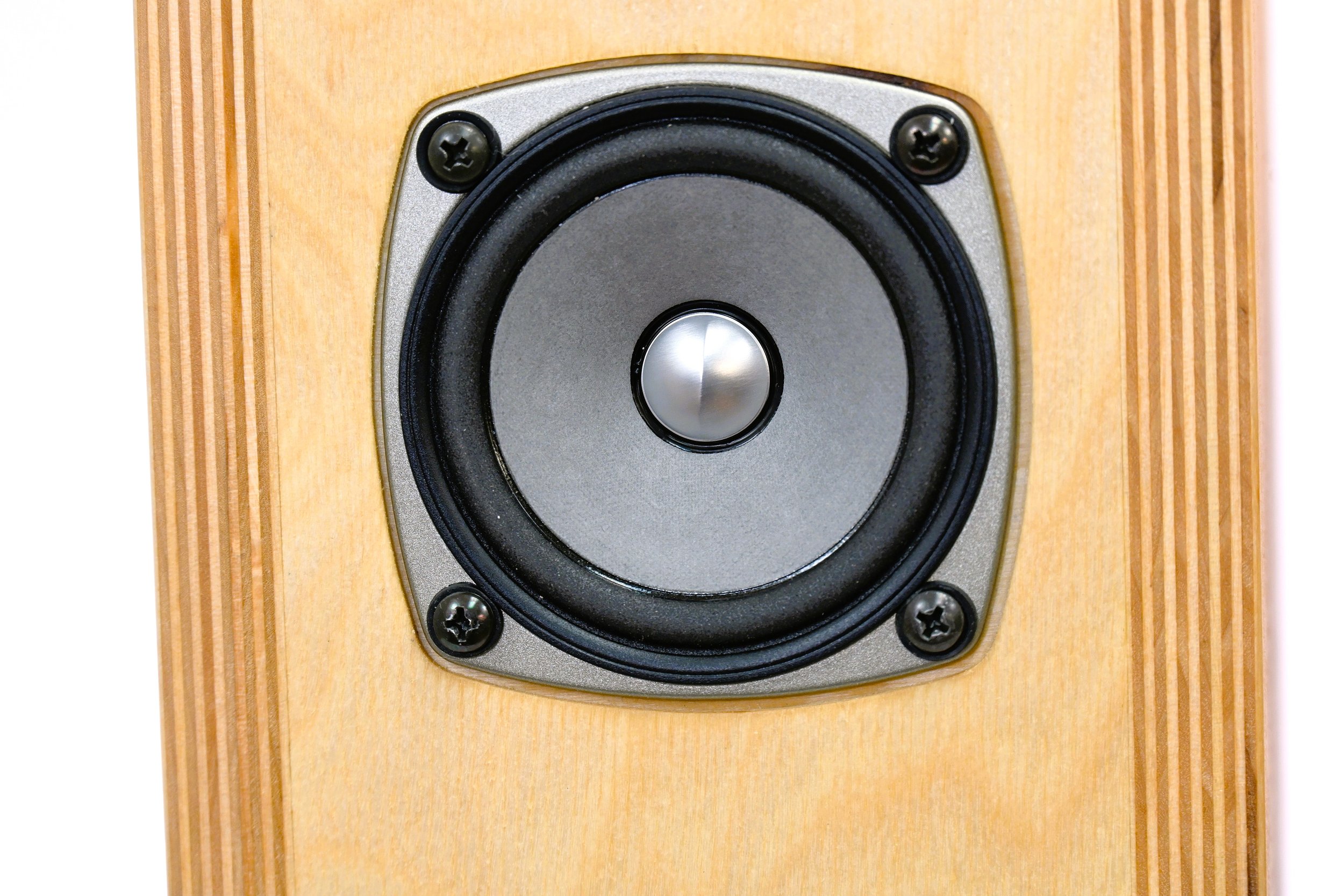
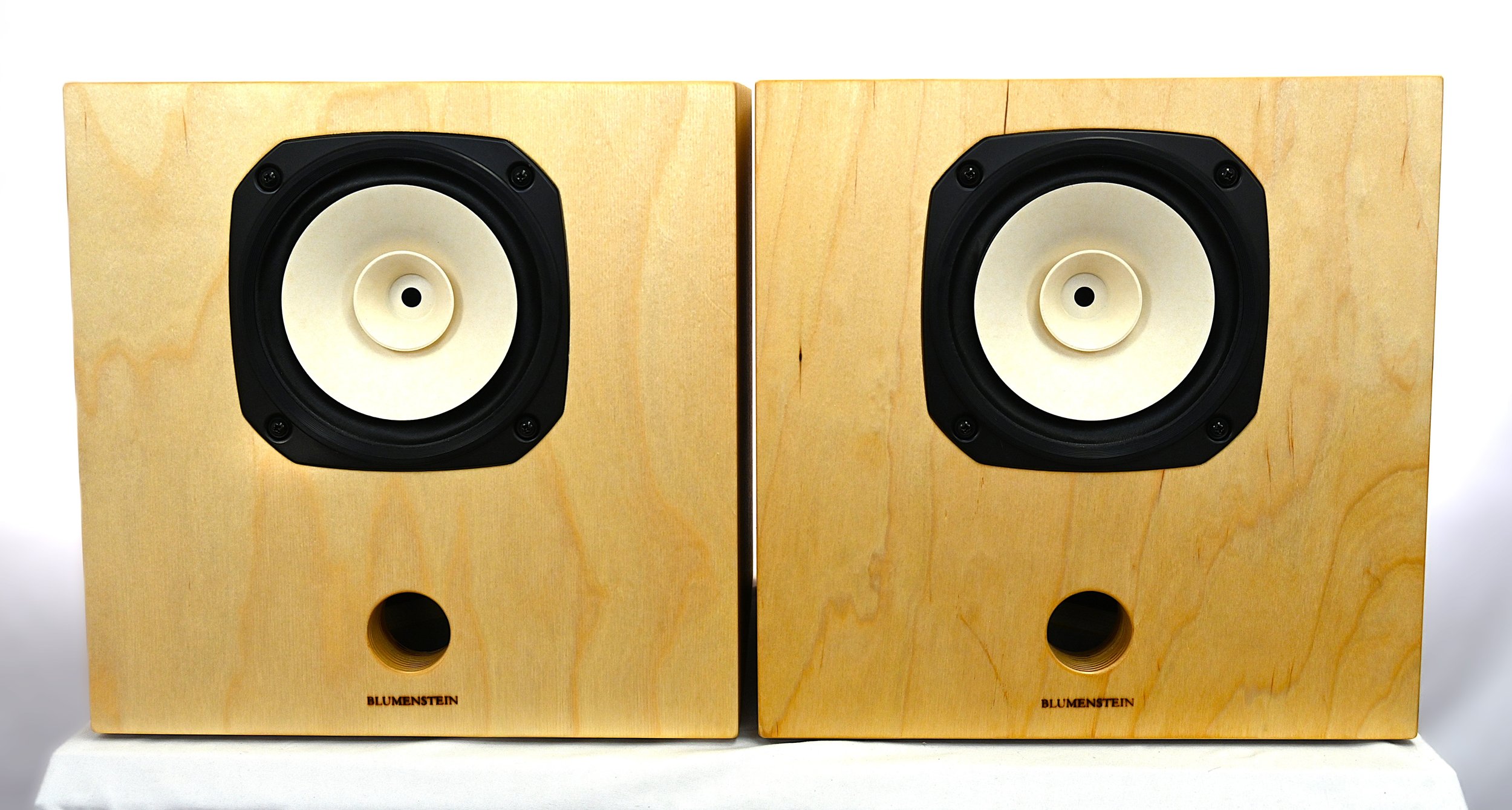
Flush mounted speaker drivers minimizes diffraction losses / irregularities in the frequency response inherent to the face of the speaker cabinet.

Since 2022

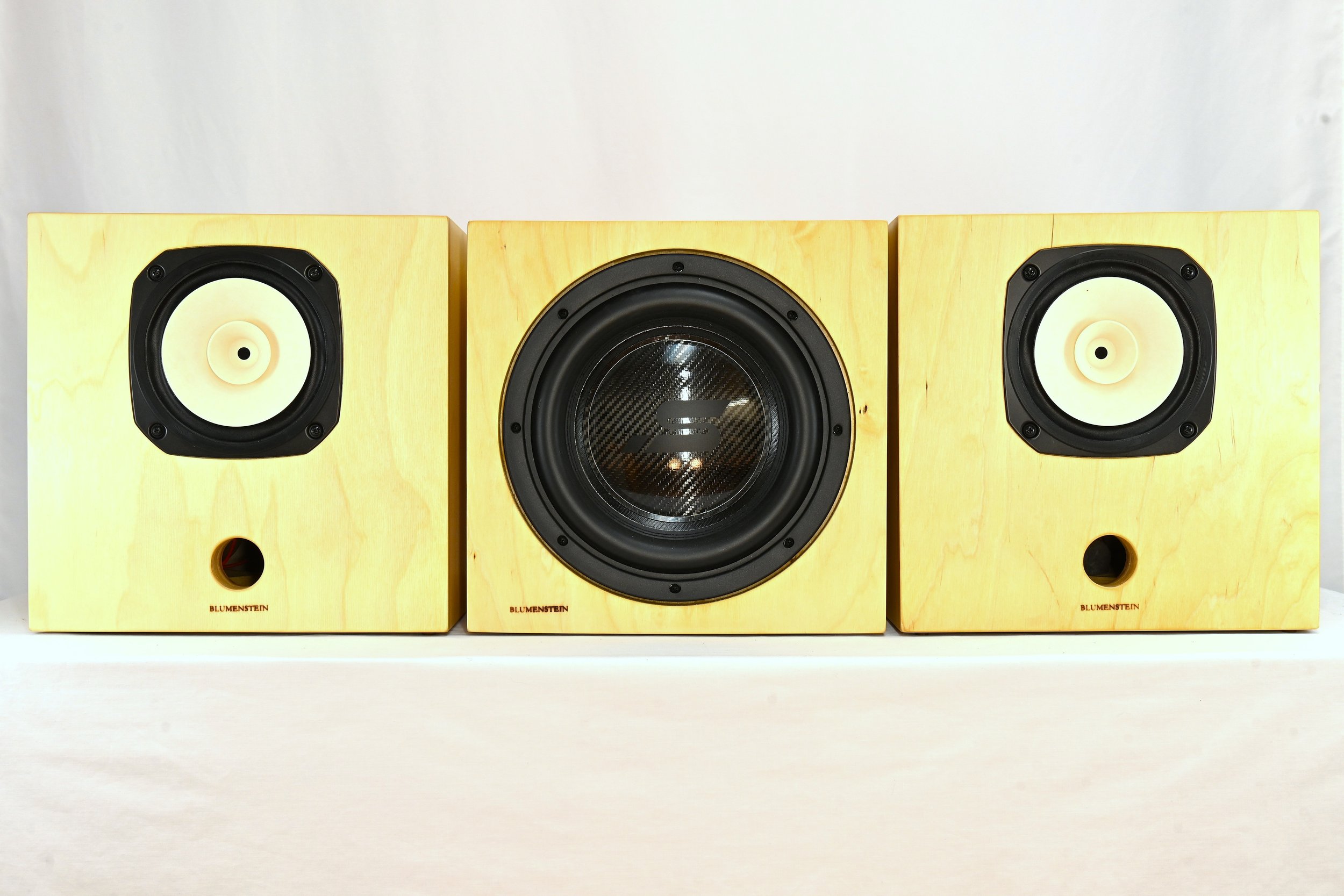
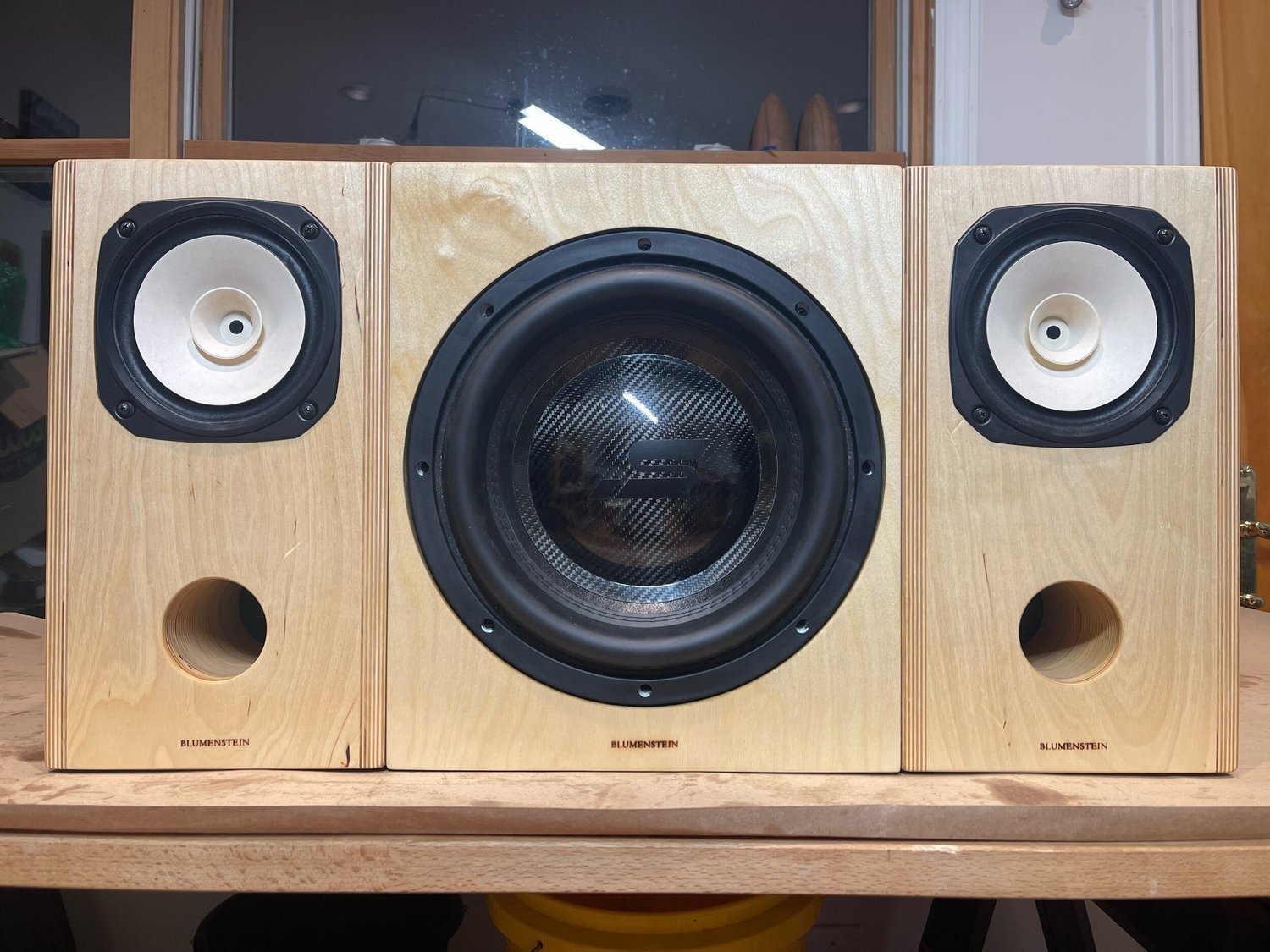
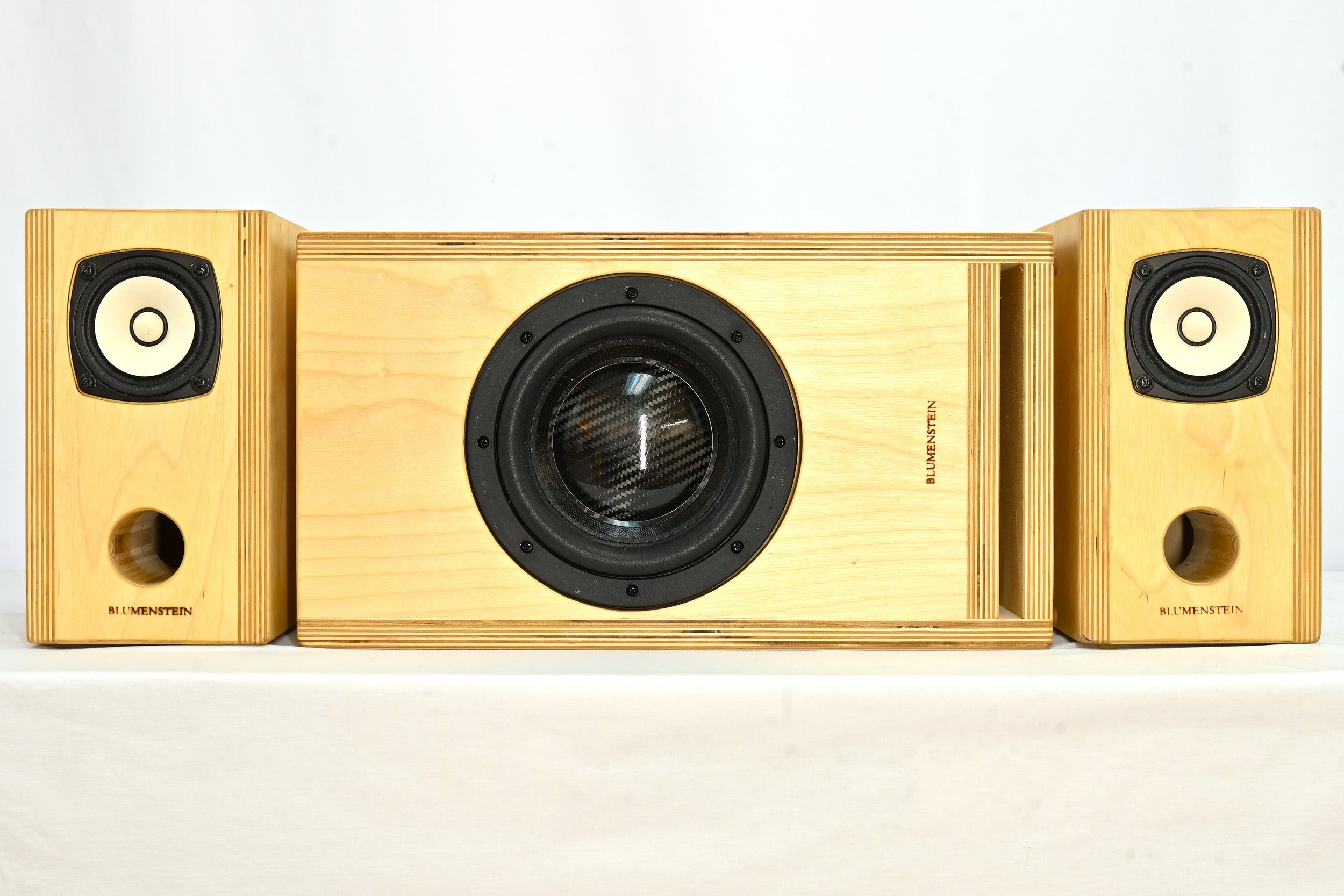
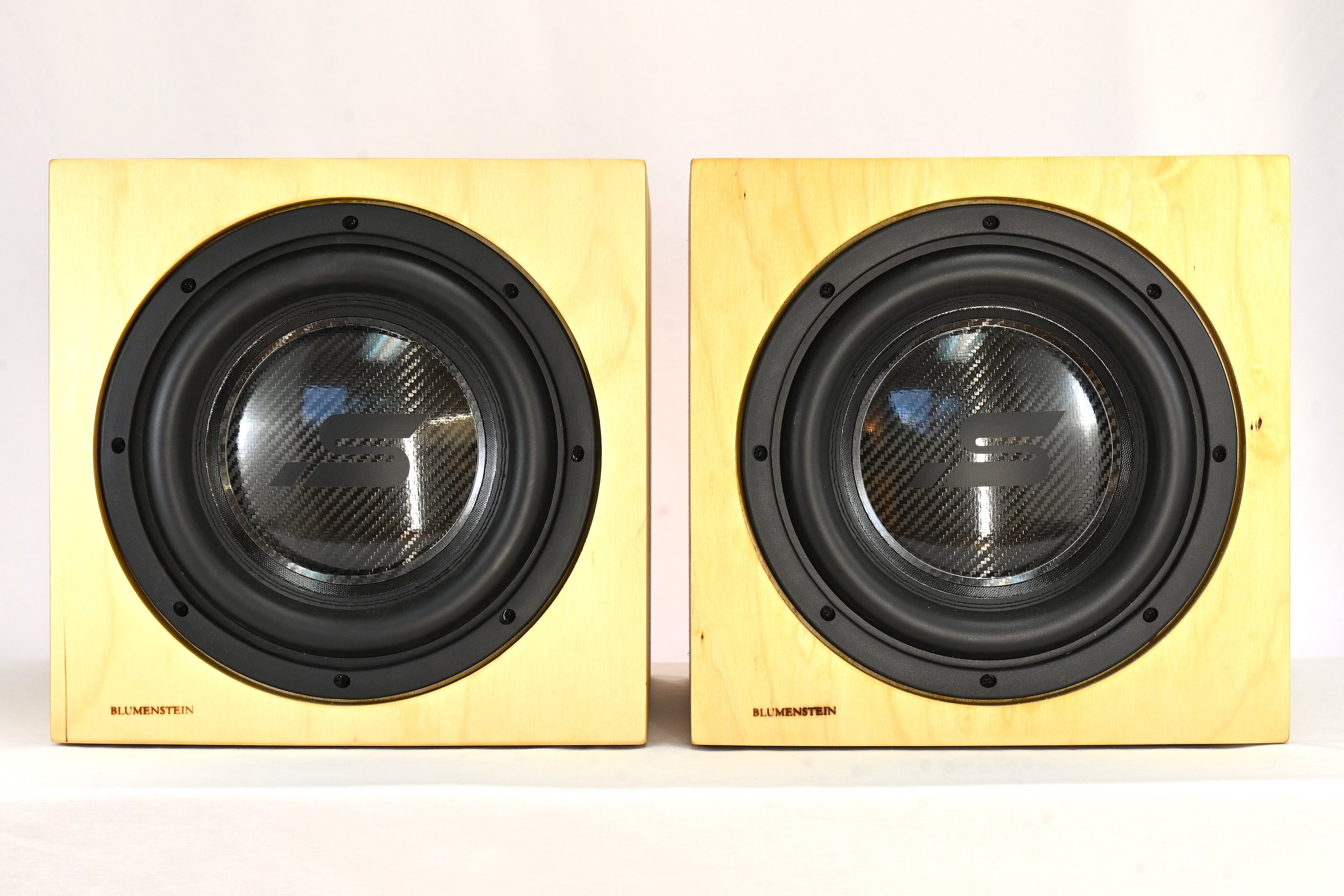
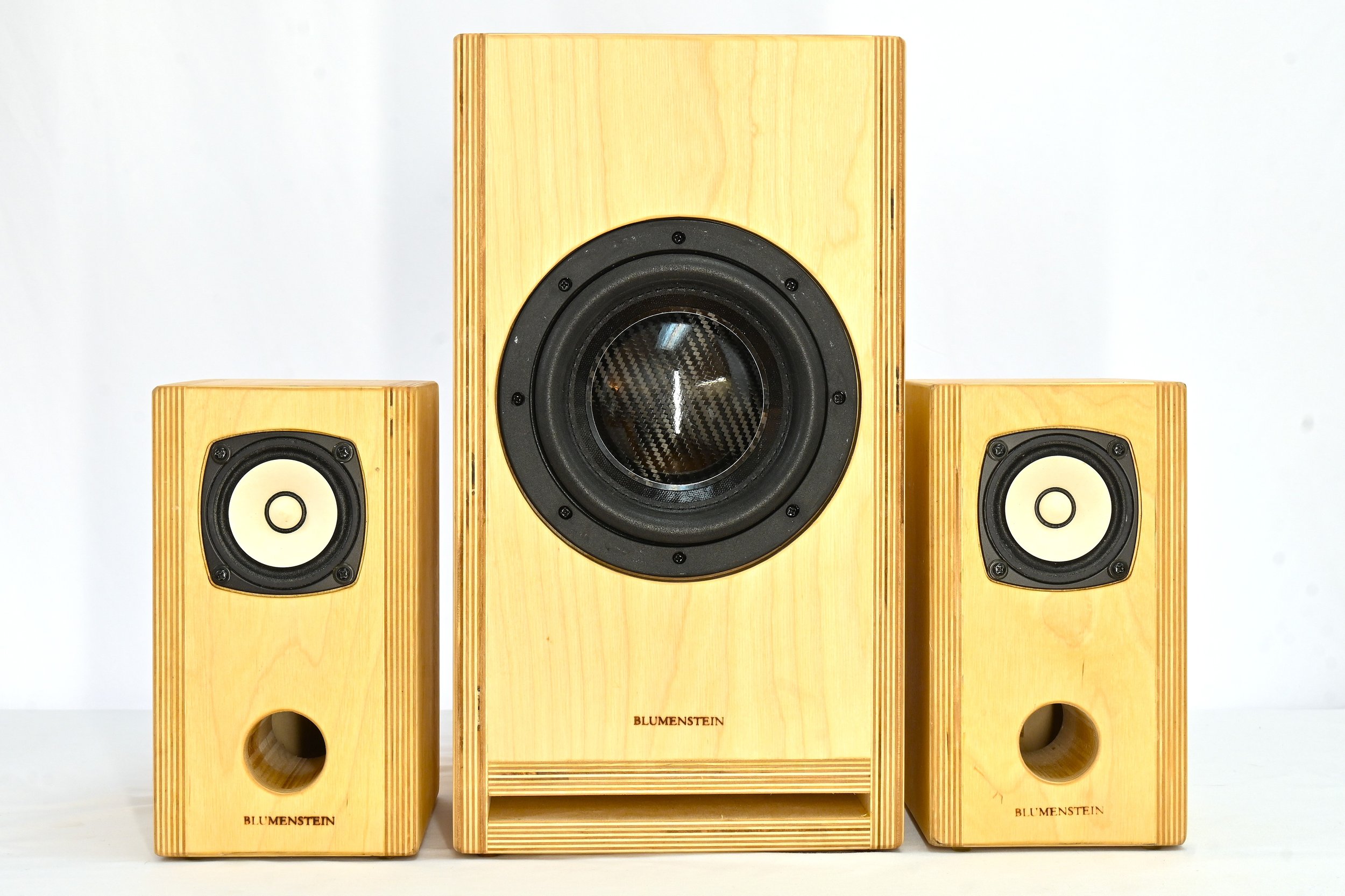
Modular subwoofer shape allows freedom of placement around the room - on a shelf - on stands, subwoofers serving as stands, Inside the Ikea Kallax shelves, pretty much wherever you can dream up!

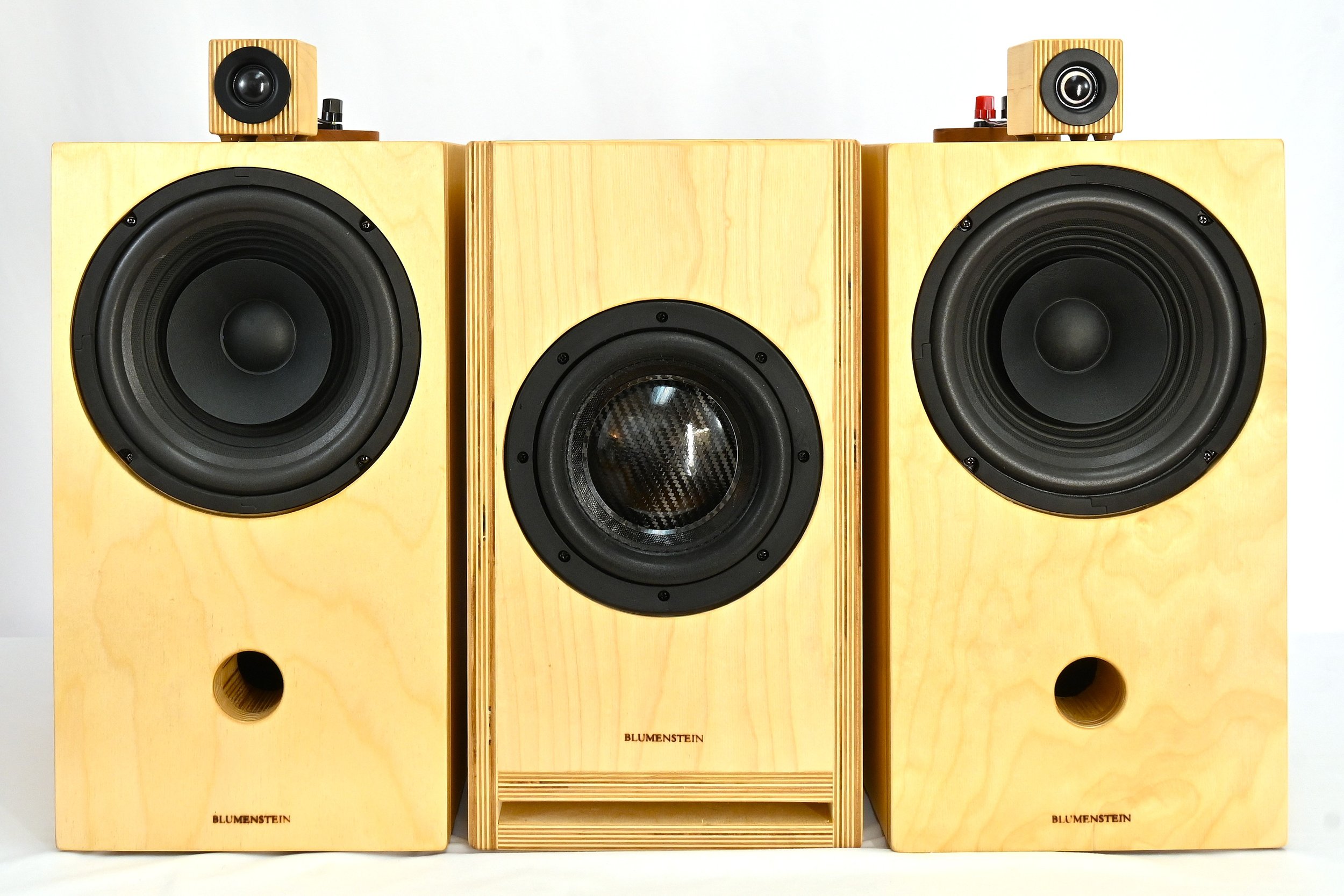
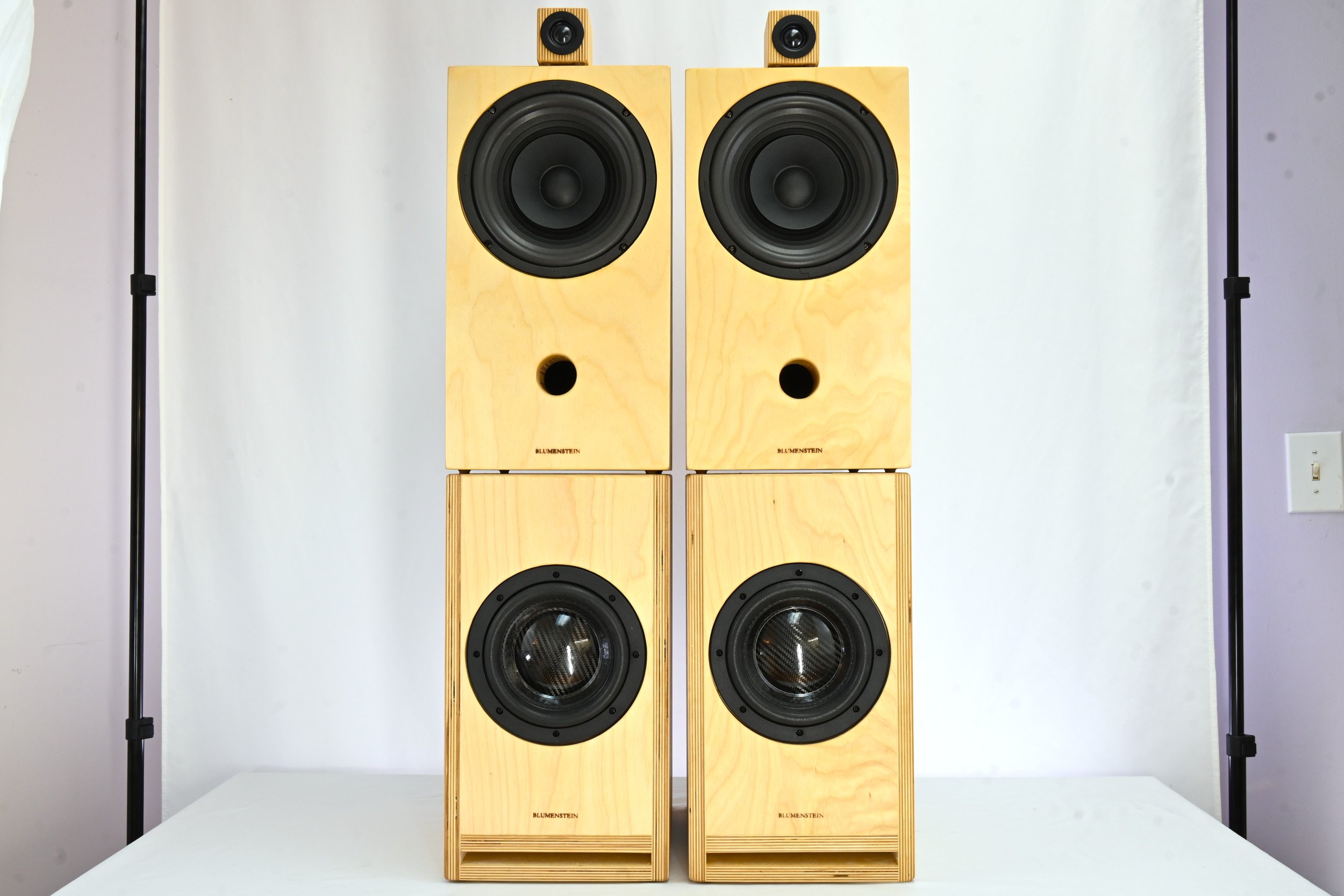
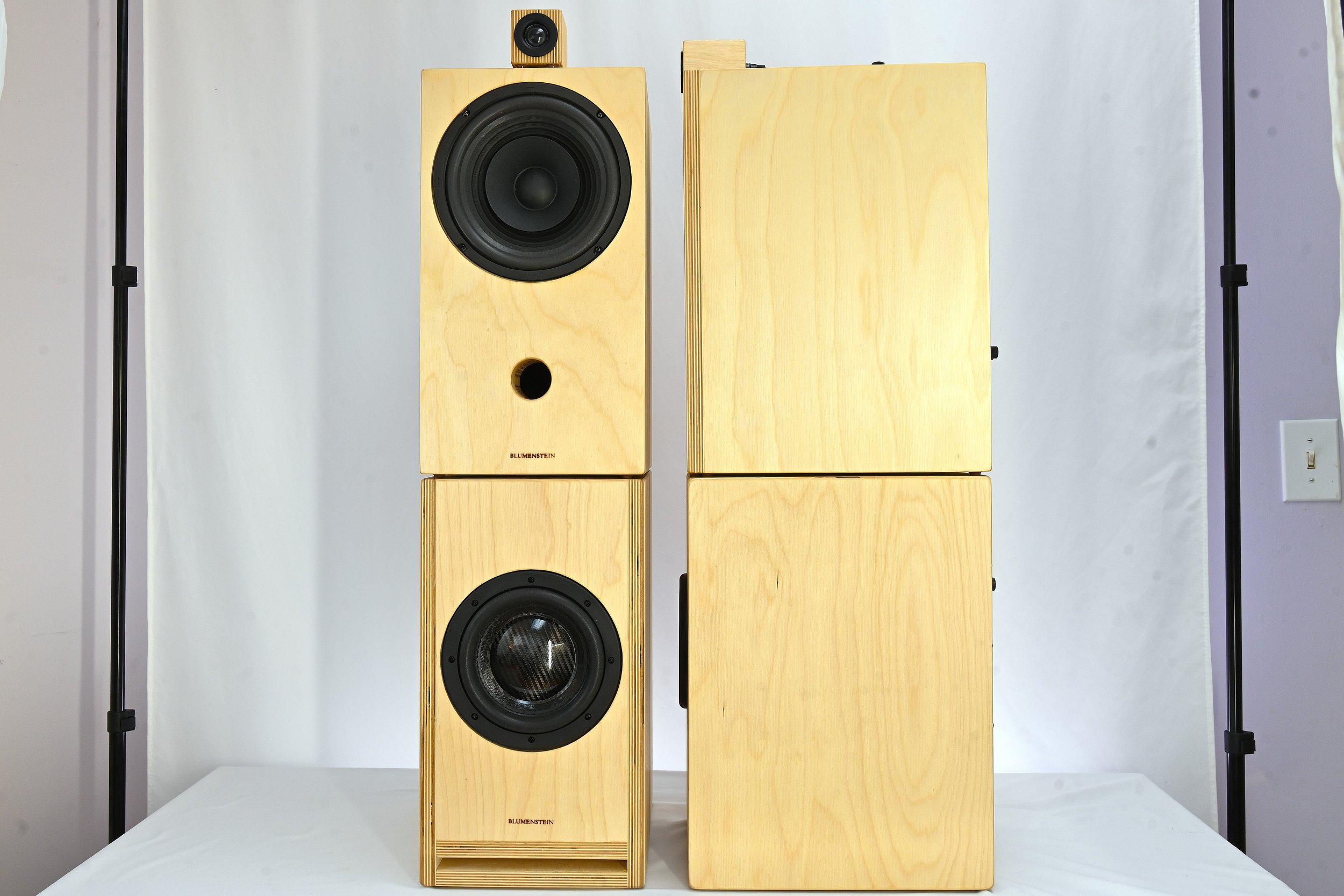
Triton II, Abby II, and Active Barnacle are all the same exact size, giving easier choice between Triton or Abby drivers, also allowing use as either monitors, traditional floor standers (one barnacle per side), or tall floor standers (two barnacles per side).

Vinyl Shelf Tritons, Vinyl Shelf Abby, and Vinyl Shelf 10” Infrasub are all designed around the Ikea Kallax shelves, but aren’t necessarily limited to being used in those shelves.

Since 2022

Subwoofer driver choice - hifi home theater / hifi car audio type long throw subwoofer drivers chosen for industry leading dynamics, accuracy, and fun factor in compact subwoofer cabinets. Smaller subwoofer enclosures actually have lower intensity low frequency resonances than large enclosures. Compact high power subs means there’s more energy coming from a smaller source, which in terms of the system’s ability to disappear into a few distinct point sources of sound, packing that kind of power into such small spaces helps. The goal is flexibility of subwoofer room placement along side or underneath with the wide band drivers. Proximity of subwoofers and full range drivers produces tighter imaging and greater 3-D realism for subwoofer supported wide-band speakers even in real world/compromised acoustic spaces.

Since 2022

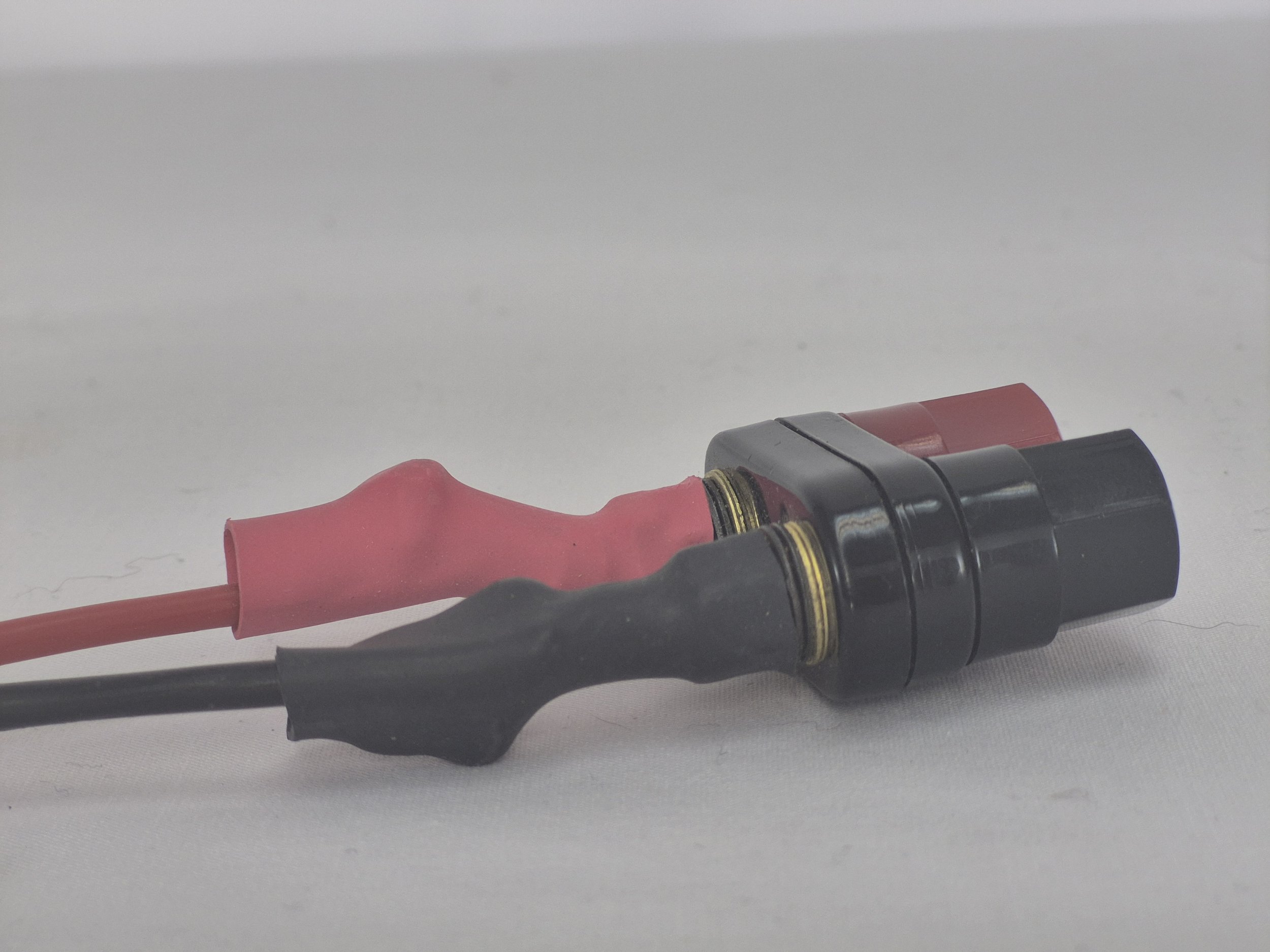
Quartz pebbles strapped to or placed near audio connections. Quartz is one of several diamagnetic materials that could potentially function as a diamagnetic meta surface near the audio connections. Quartz, however, is inexpensive, readily available, and durable. Placing quartz near audio connections slightly bends the loose magnetic field lines back into the leaky connector, reducing magnetic field losses at connection sites. It turns out it’s actually a universally beneficial sound quality enhancing technique for basically any audio system and any AC connection (even wall power or digital) in the audio system. It sounds unlikely and perhaps a bit esoteric, but many people have tried this technique and kept it in their system. The benefit to three dimensionality and musicality from strapping quartz to the audio system connections is undeniable, as well as the basic science behind it.

Since 2021

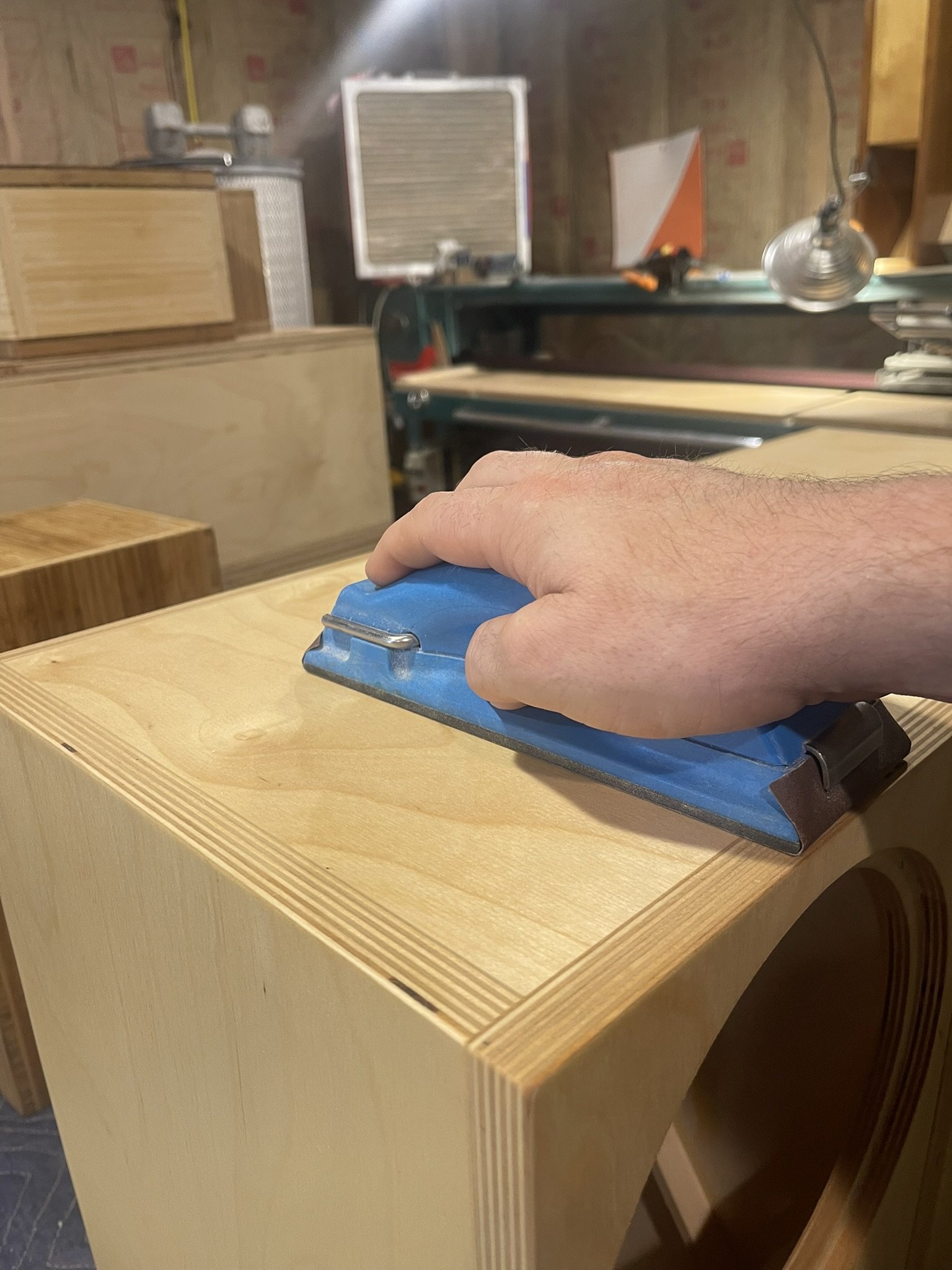
Sanding with the grain. (no orbital sanders).

A technique adapted from the scrape finish of luthiers, sanding with the grain maintains the axial strength of the wood at the surface layer - which is crucial for controlling the way the enclosure resonance couples to the air in the room. It sounds unlikely but it turns out that the surface finish / not just the speaker enclosure material is actually where the “rubber meets the road” in a speaker enclosure’s resonant character.

Since 2019

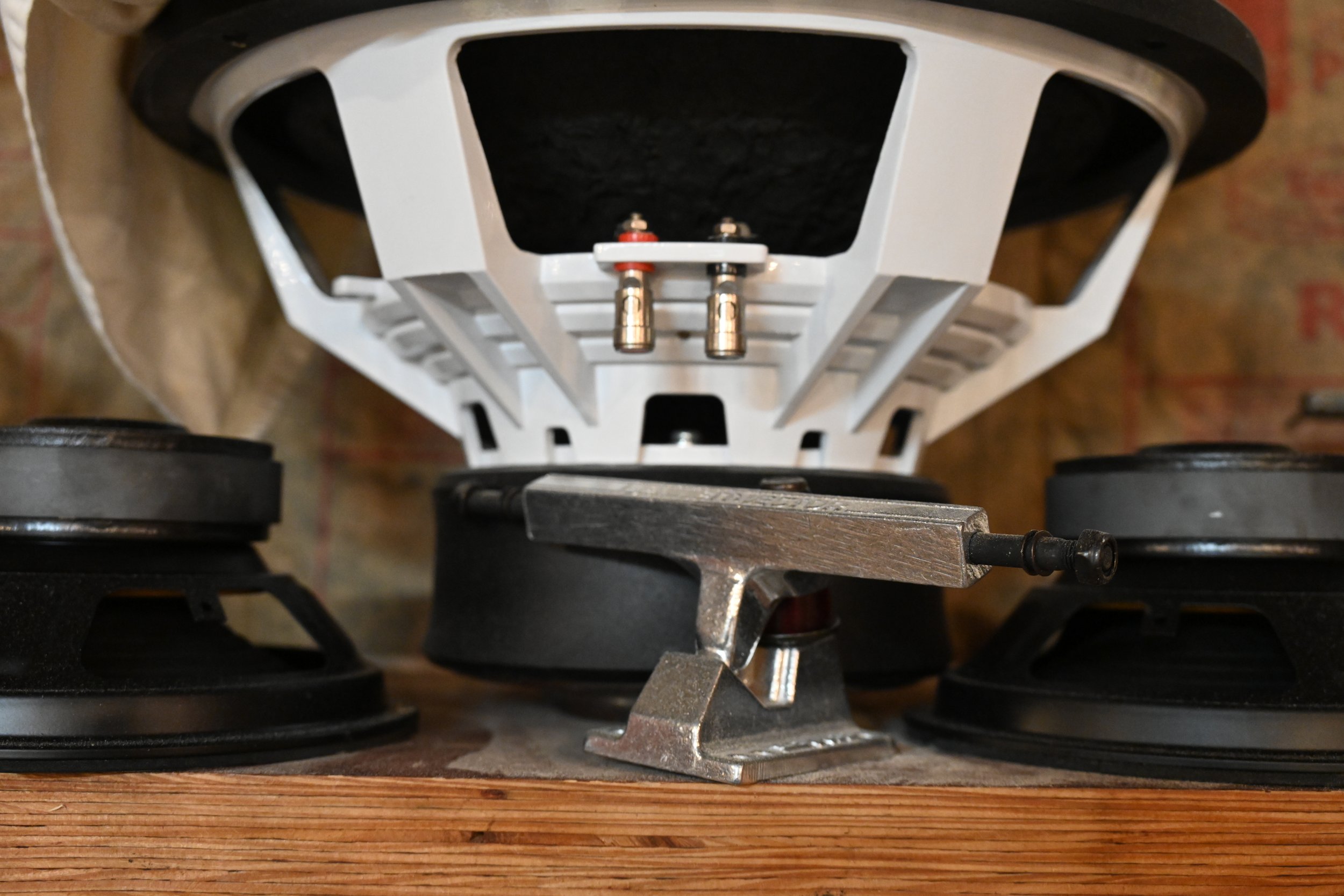
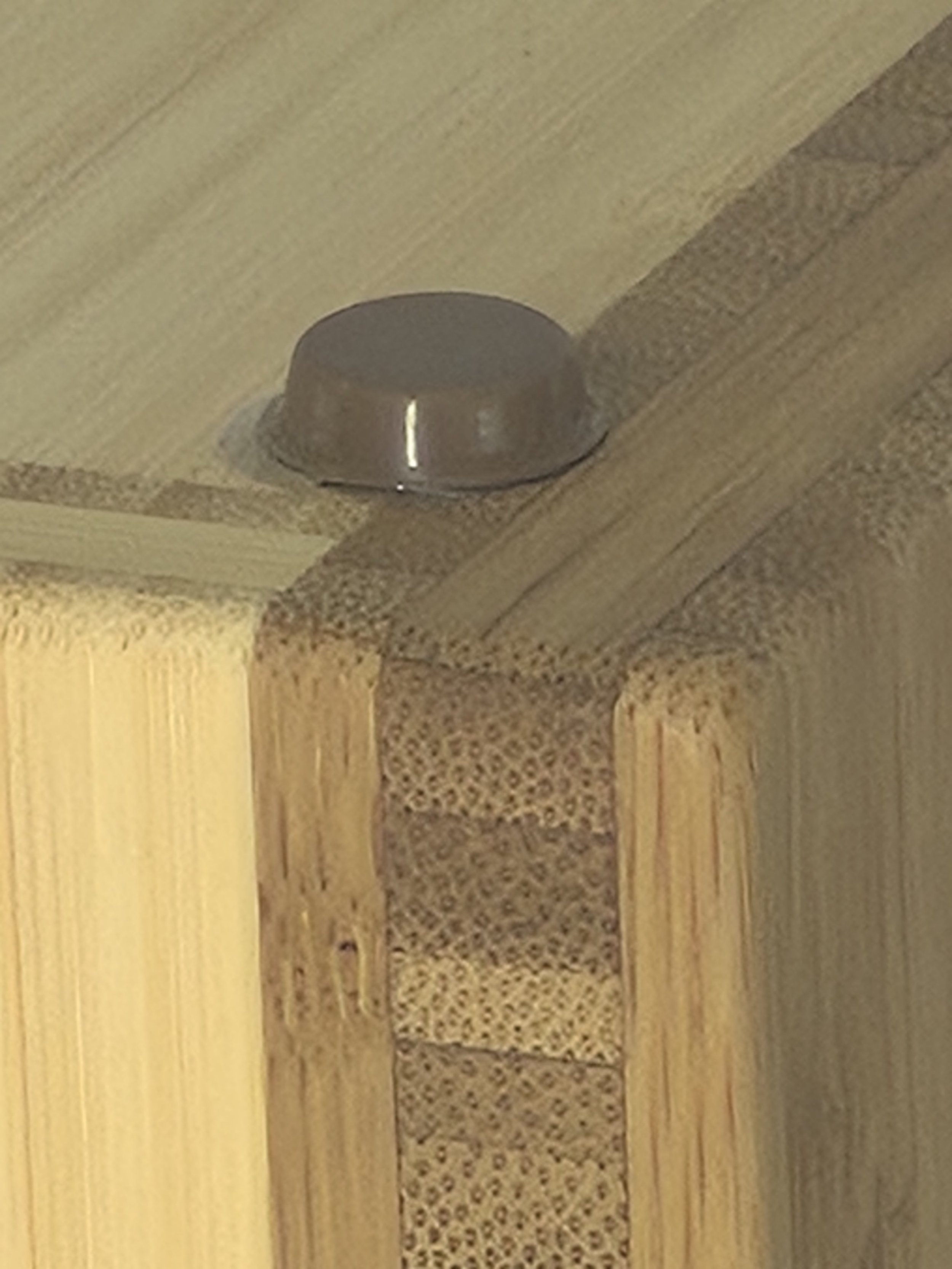
Urethane feet - low durometer means minimal vibration transfer to surrounding objects. Grippy to the surface it’s sitting on for safety. While many materials were tried, urethane rose to the top of the list for its sound quality. Urethane is also, unsurprisingly, the best material for soaking up road vibrations as longboard wheels.

Since 2019

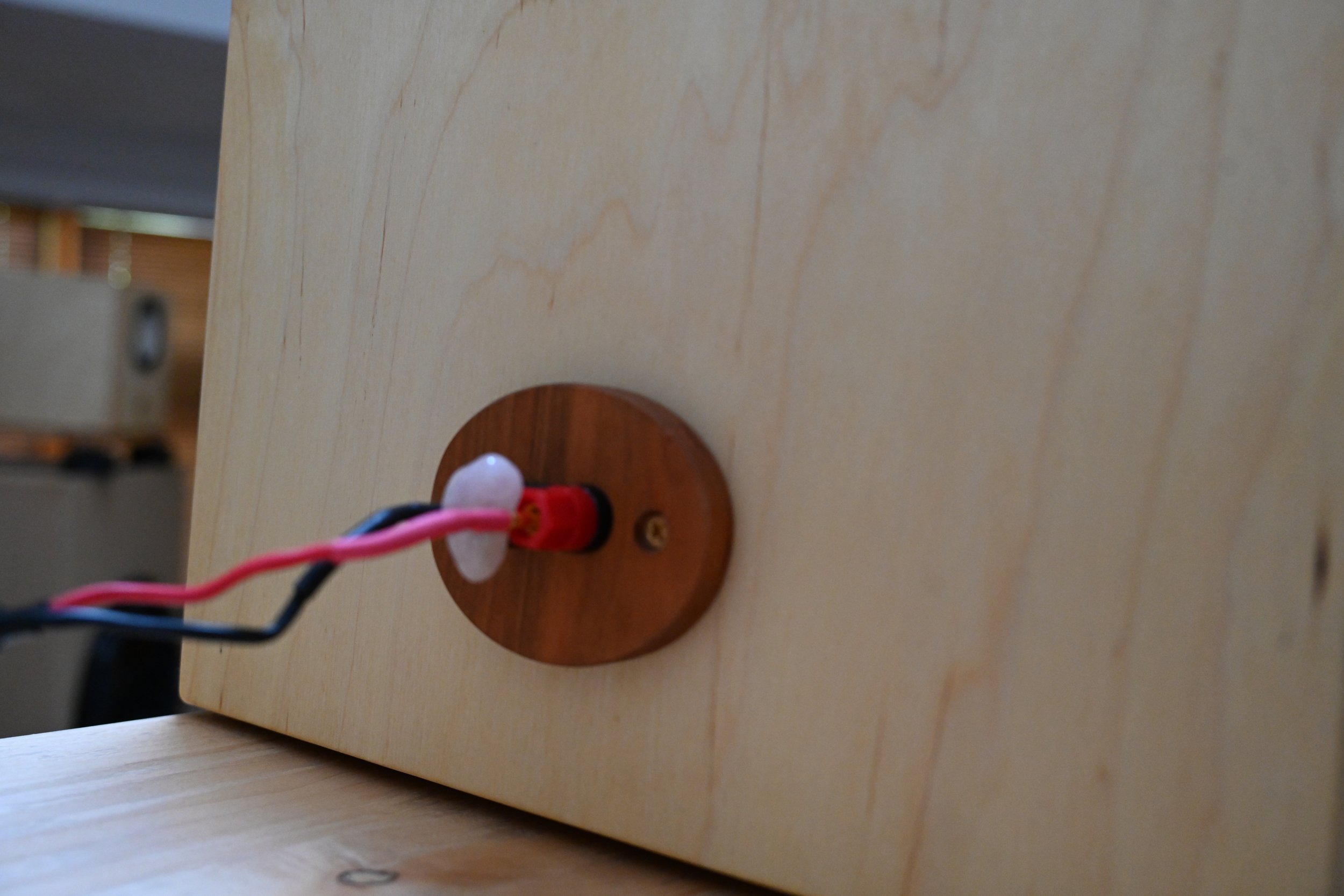
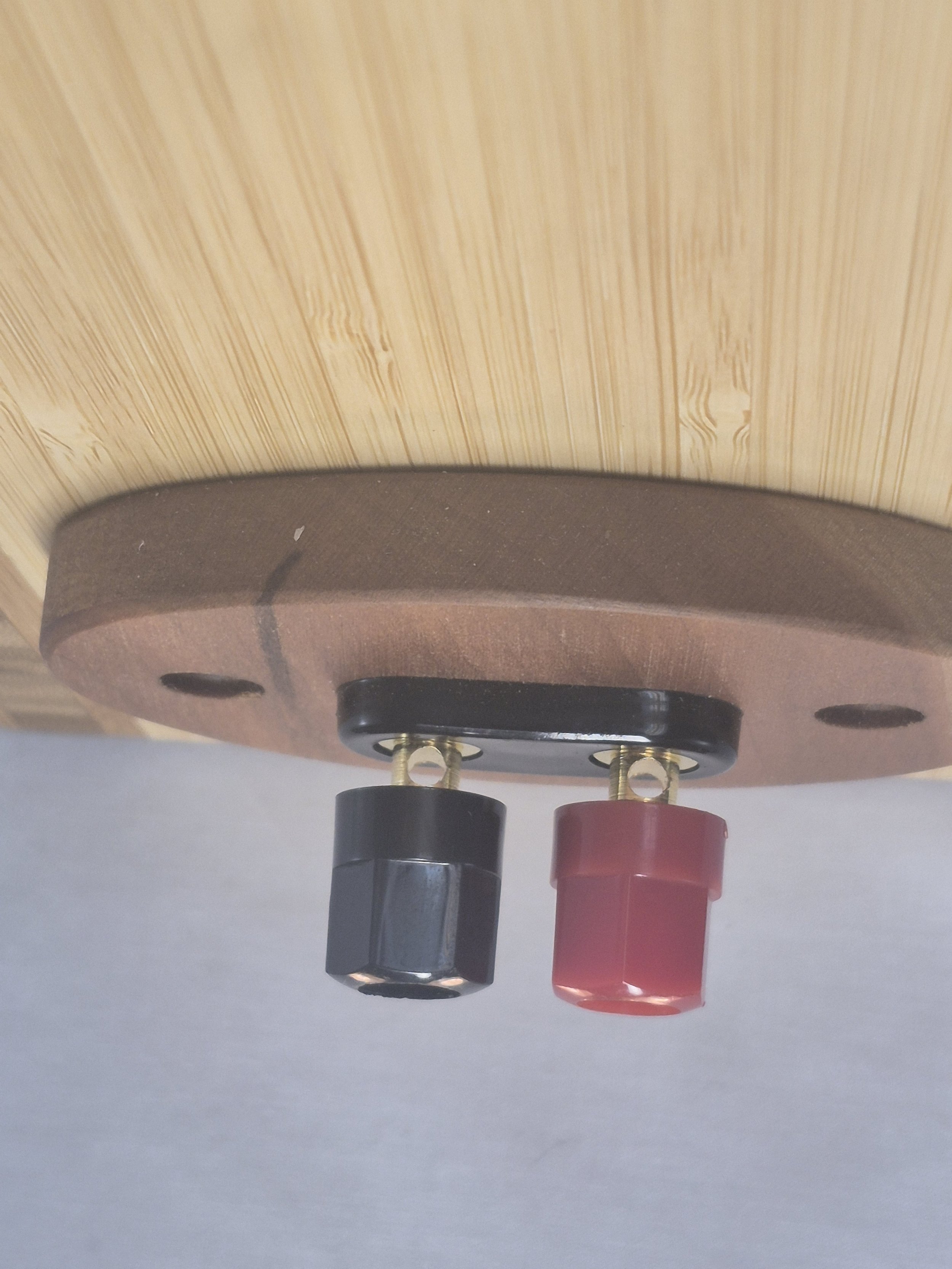
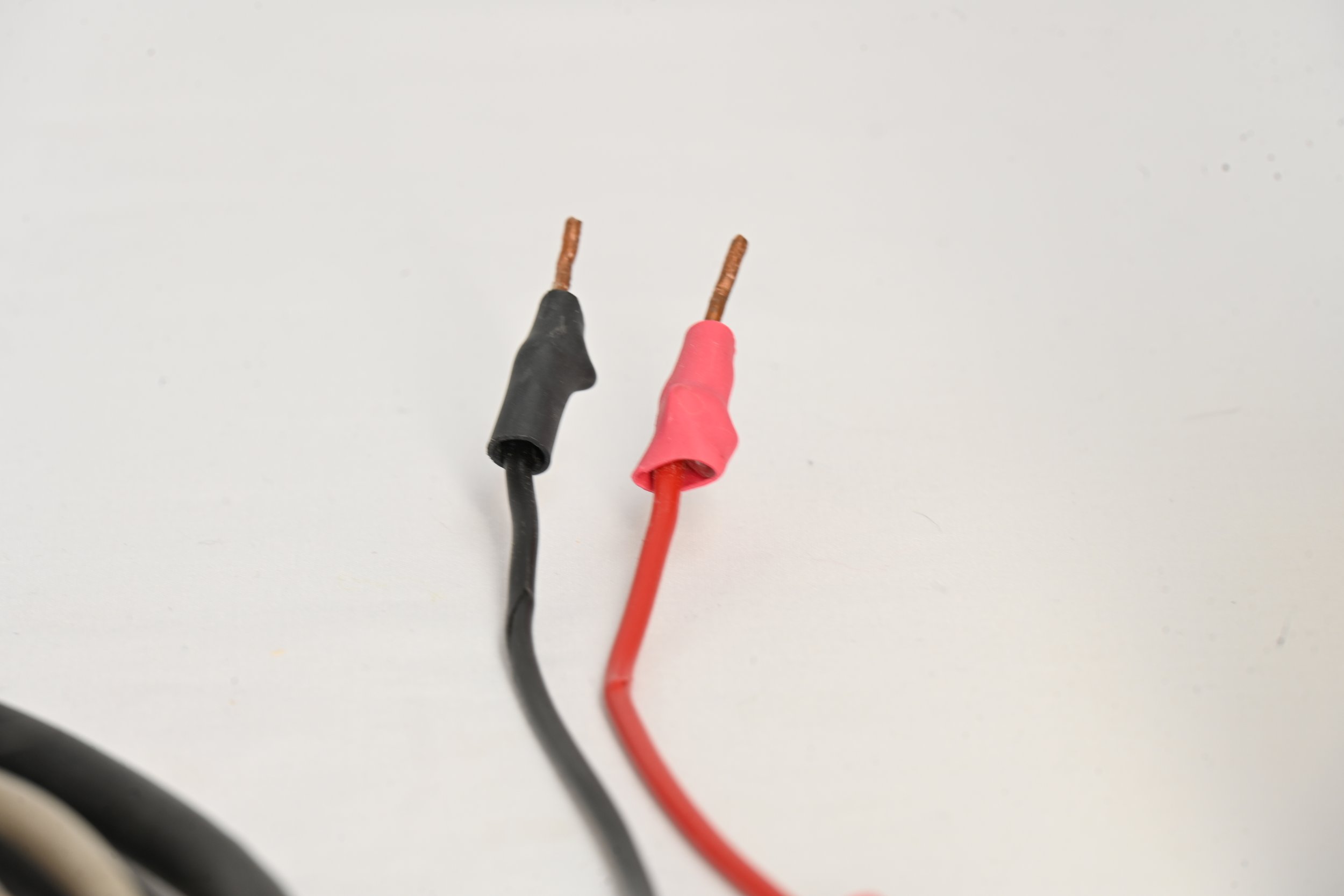
Upgraded to solid wood terminal plates as well as heavier duty, but still low mass binding posts. Three way binding posts accept bare wire, banana plugs, And now more readily accept spades and solid copper pin connections than the prior thru hole posts.

Binding posts since day zero of this company have been low mass, low distortion. At home, years before I started this business, I tested this experiment and almost every time, larger posts (any brand) will physically distort / diffuse the magnetic field of the signal versus smaller binding posts. My theory is that smaller binding posts look more like the actual 13ga speaker wire from the standpoint of the electrical signal. Now yes, there are far more esoteric / high concept binding posts than the relatively basic ones I have chosen. But I’m looking at one final factor - ease of user serviceability.


Since 2014

13 ga. internal wire - Waterline Cables (Blumenstein Audio’s in-house cable brand) primarily uses Gotham cable which is Swiss manufactured. Gotham makes traditional European studio monitor and microphone wire from the 1960’s, slightly modernized to the needs of today’s consumers.

Since 2013

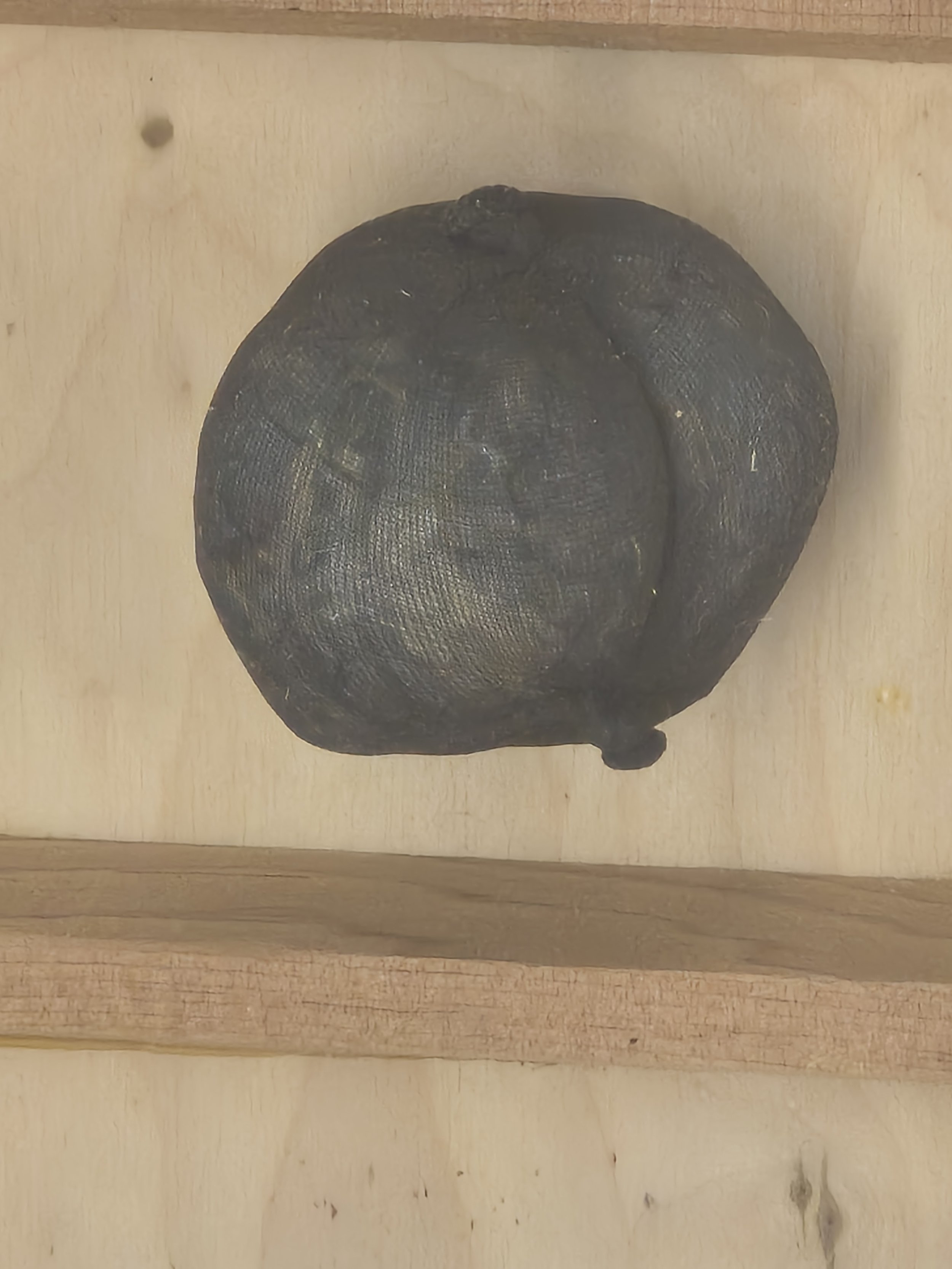
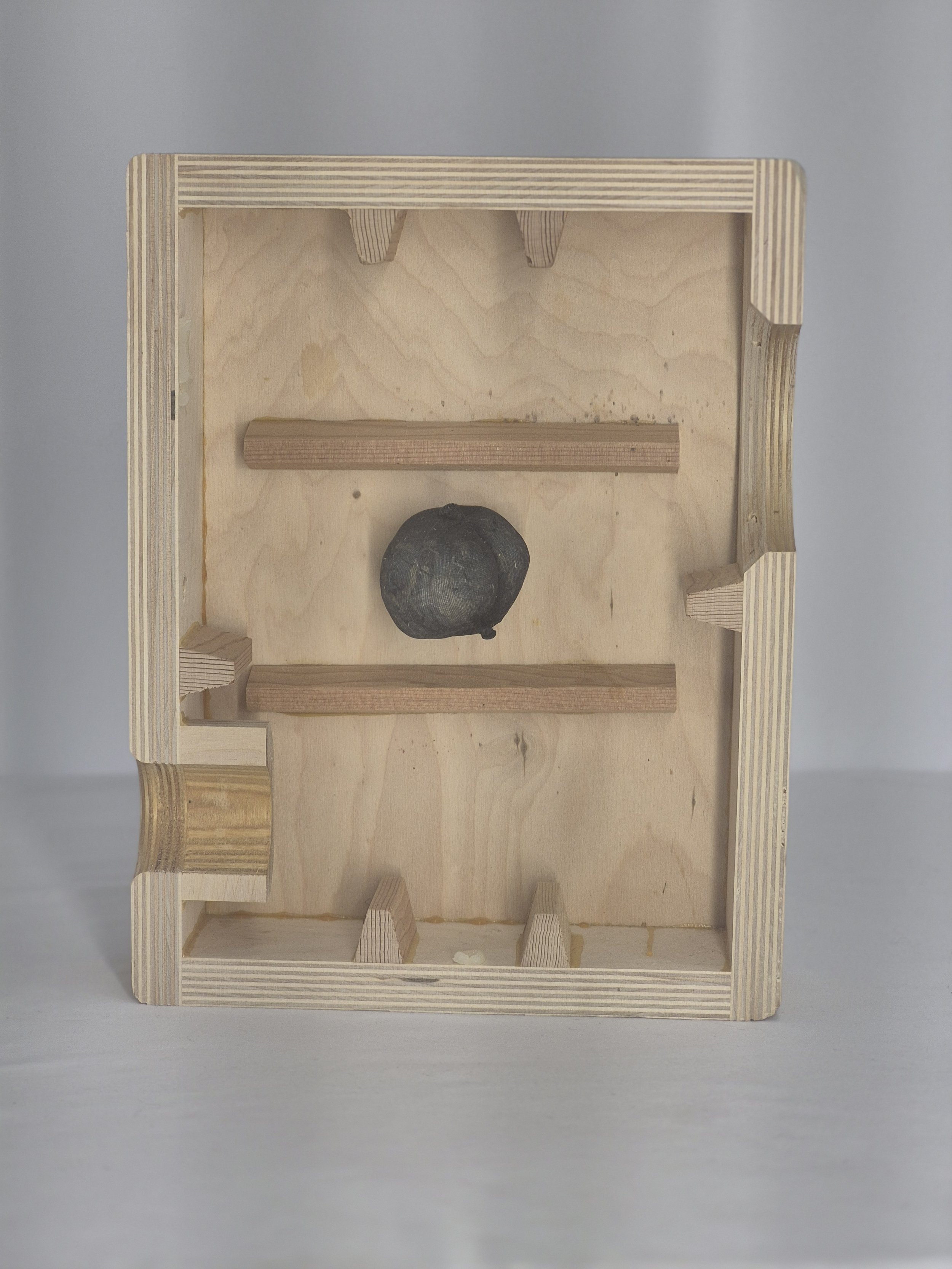
Damping balls - tuned acoustic damping materials. Nylon is actually the key material which compresses the cotton damping fibers, thereby adjusting the frequencies absorbed. Nylon compressing the cotton gives dual action damping, like a car shock / strut combo.

Since 2013

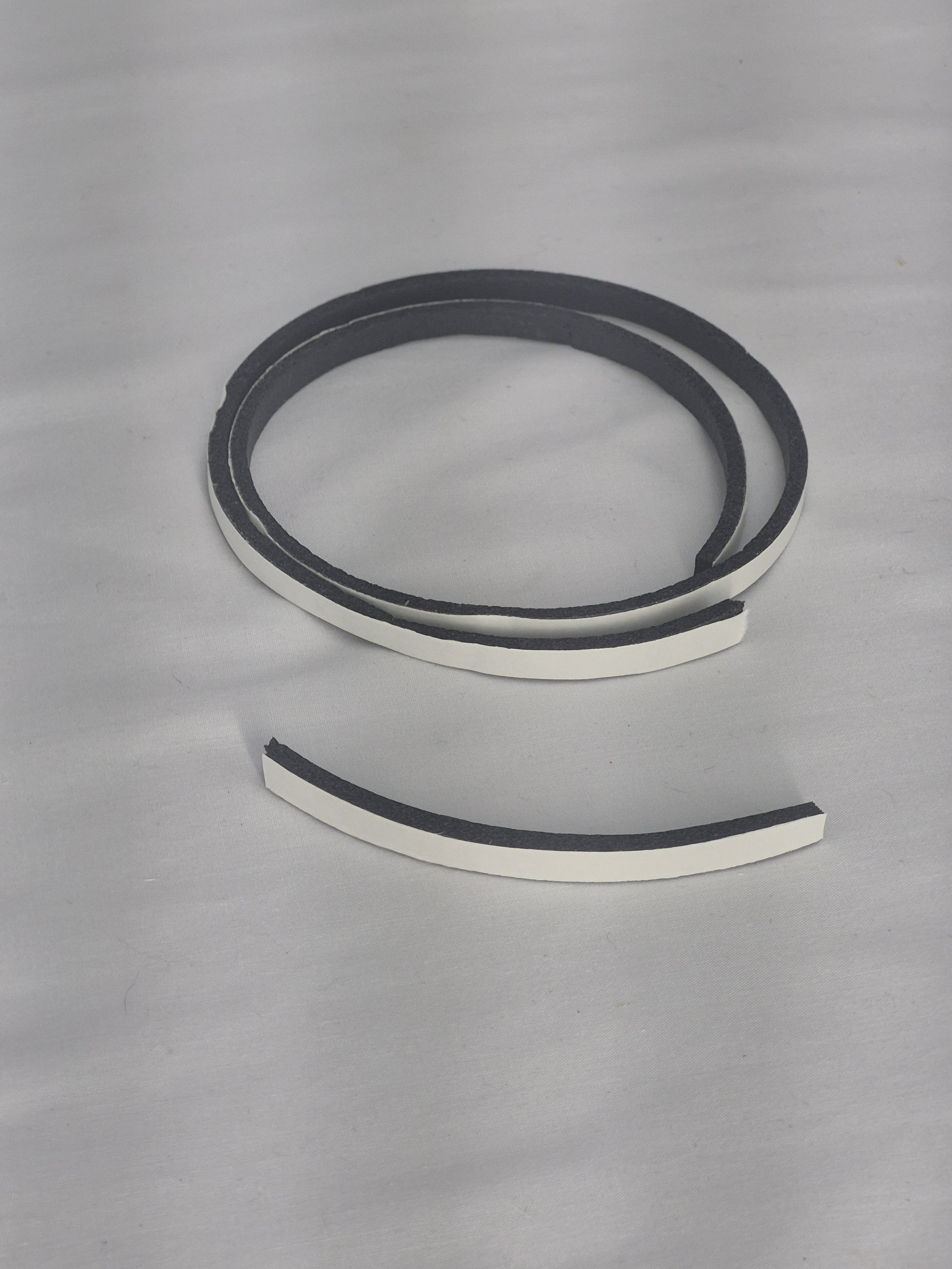
Speaker gasket - A combination seal / damping compound to control the metallic resonances inherent in the speaker driver frame. Combines with the stacked rubber washers to damp out all unwanted vibrations from the speaker driver frame.

Since 2013

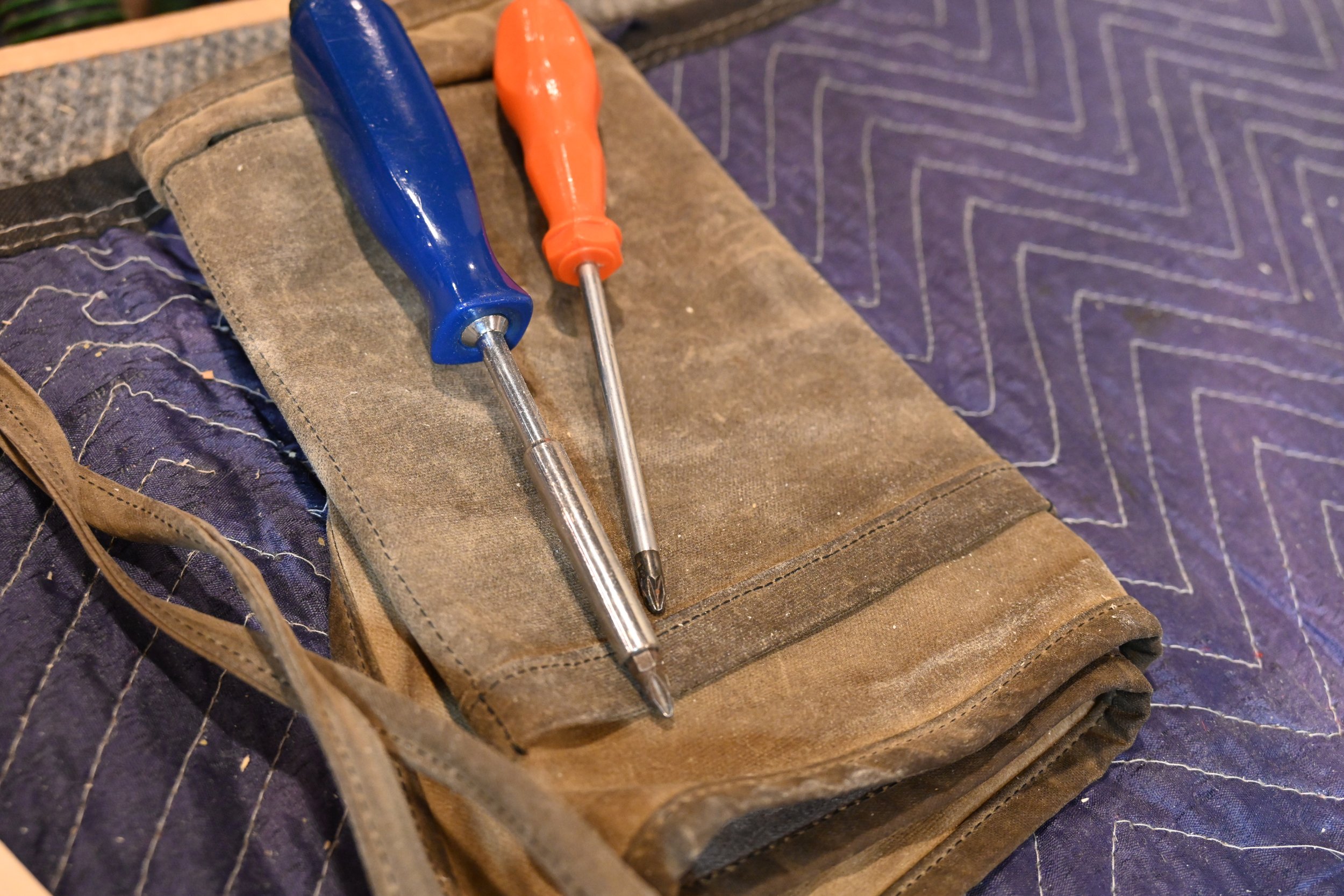
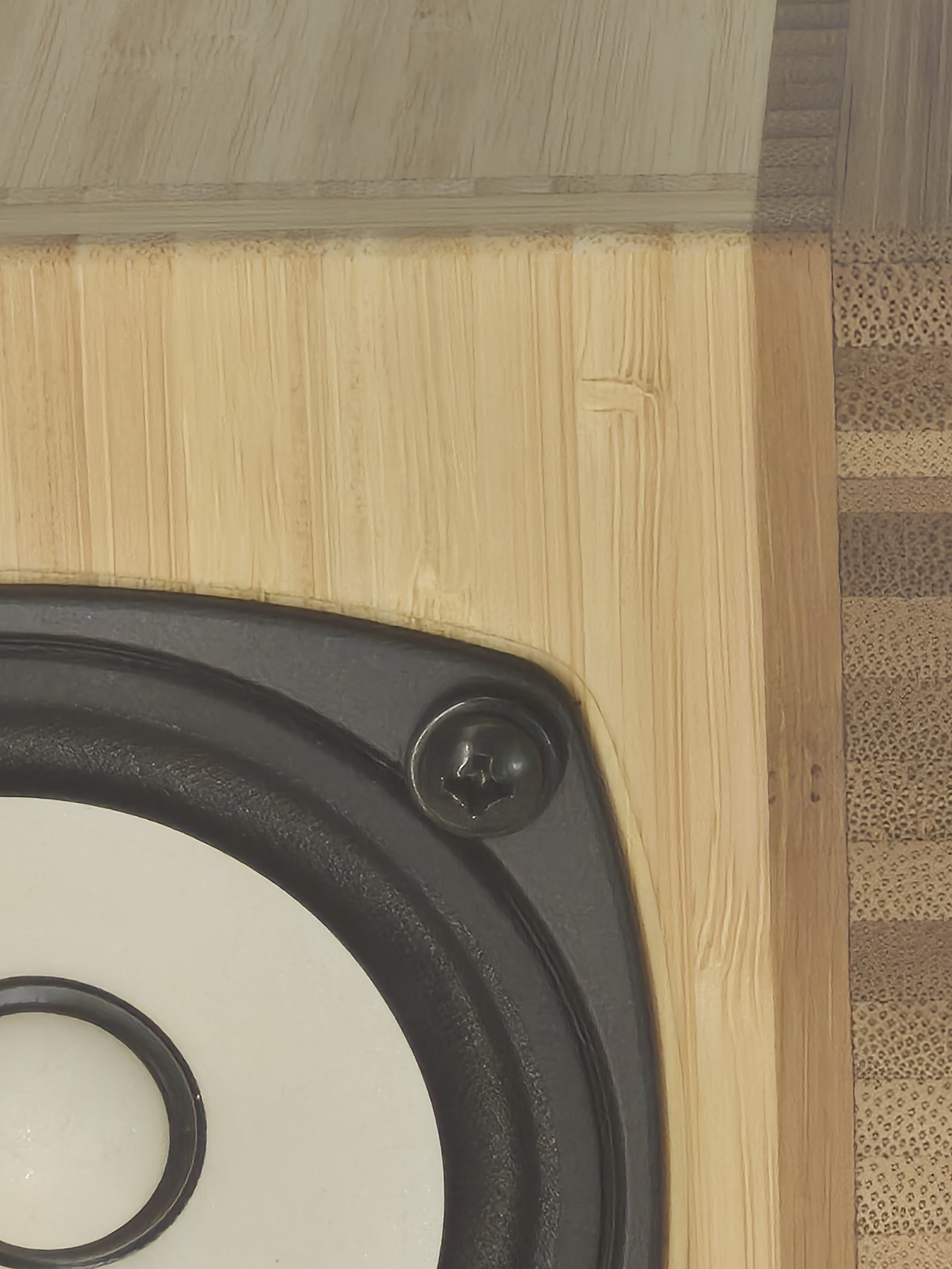
Screw torque. Along with damped washers, carefully seated driver screw torque creates a balanced contact between driver and cabinet. Driver frames themselves are instruments, and there is certainly a specific range of contact pressure that is ideal.

Since 2012

Stacked rubber washers on driver mounting screws - combining urethane as well as rubber washers yields tuned decoupling between driver frame and cabinet.

Since 2009

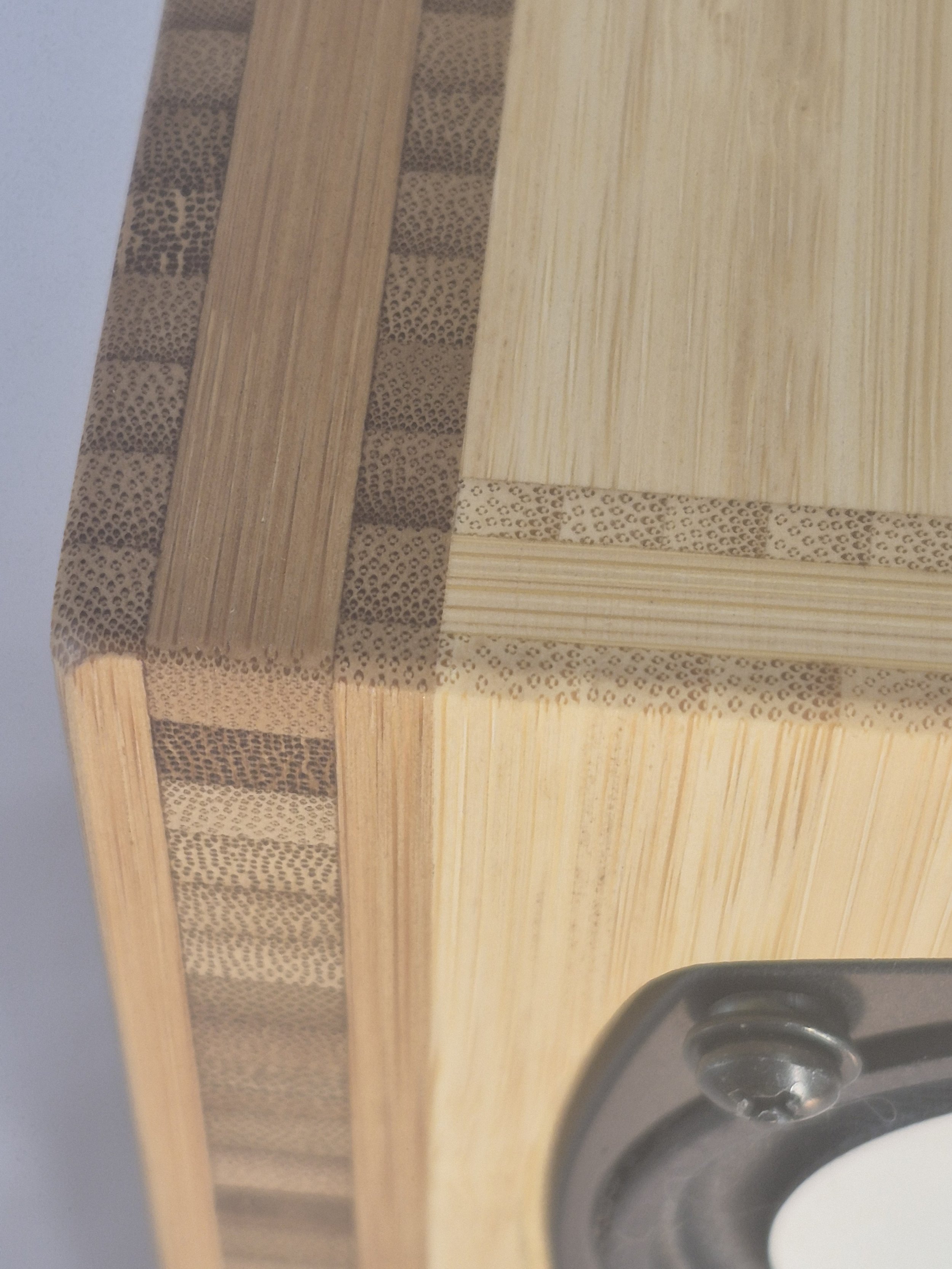
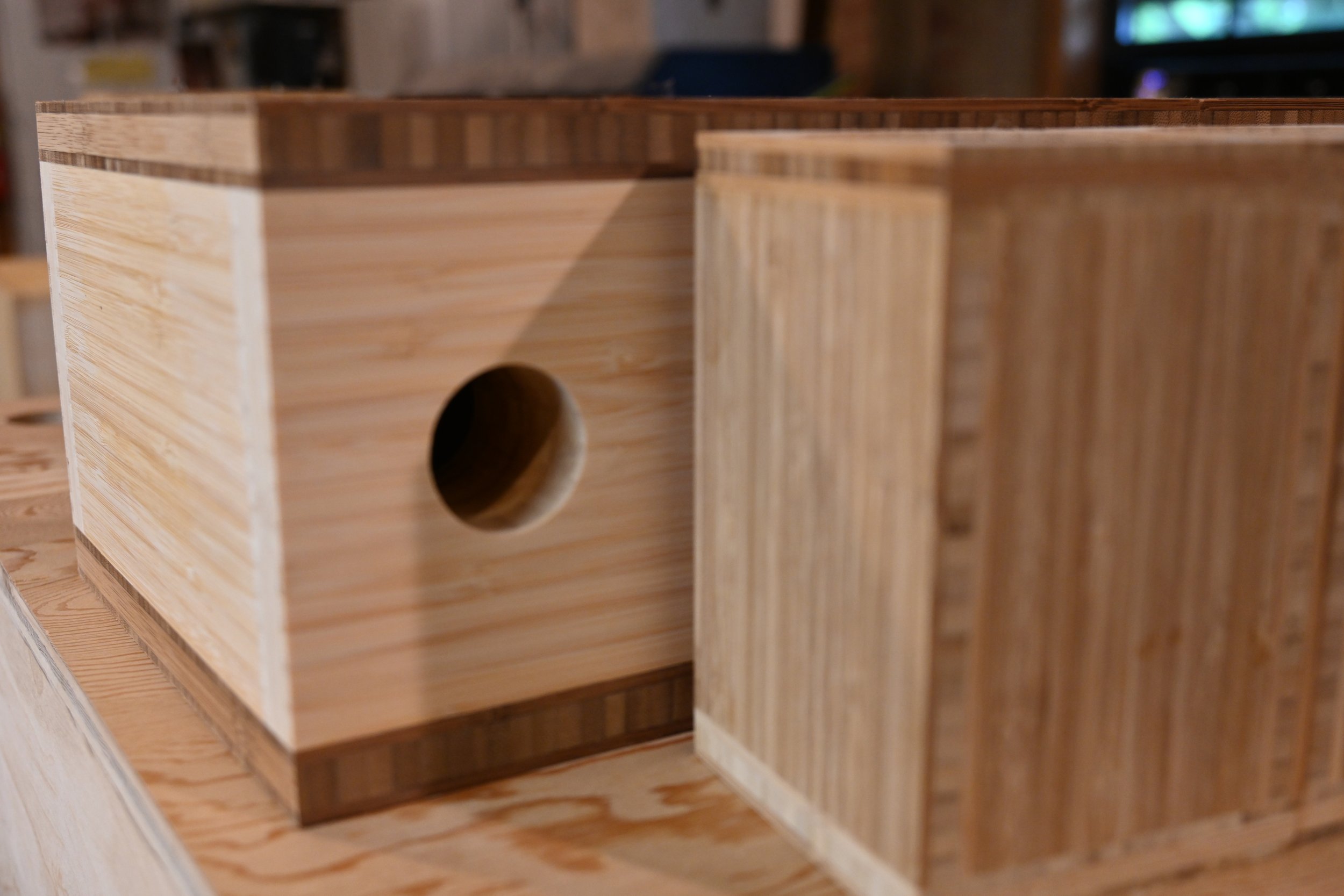
Special editions in Bamboo ply - similar acoustics to Baltic Birch plywood and now offers an aesthetic choice - Caramelized color

Since 2005

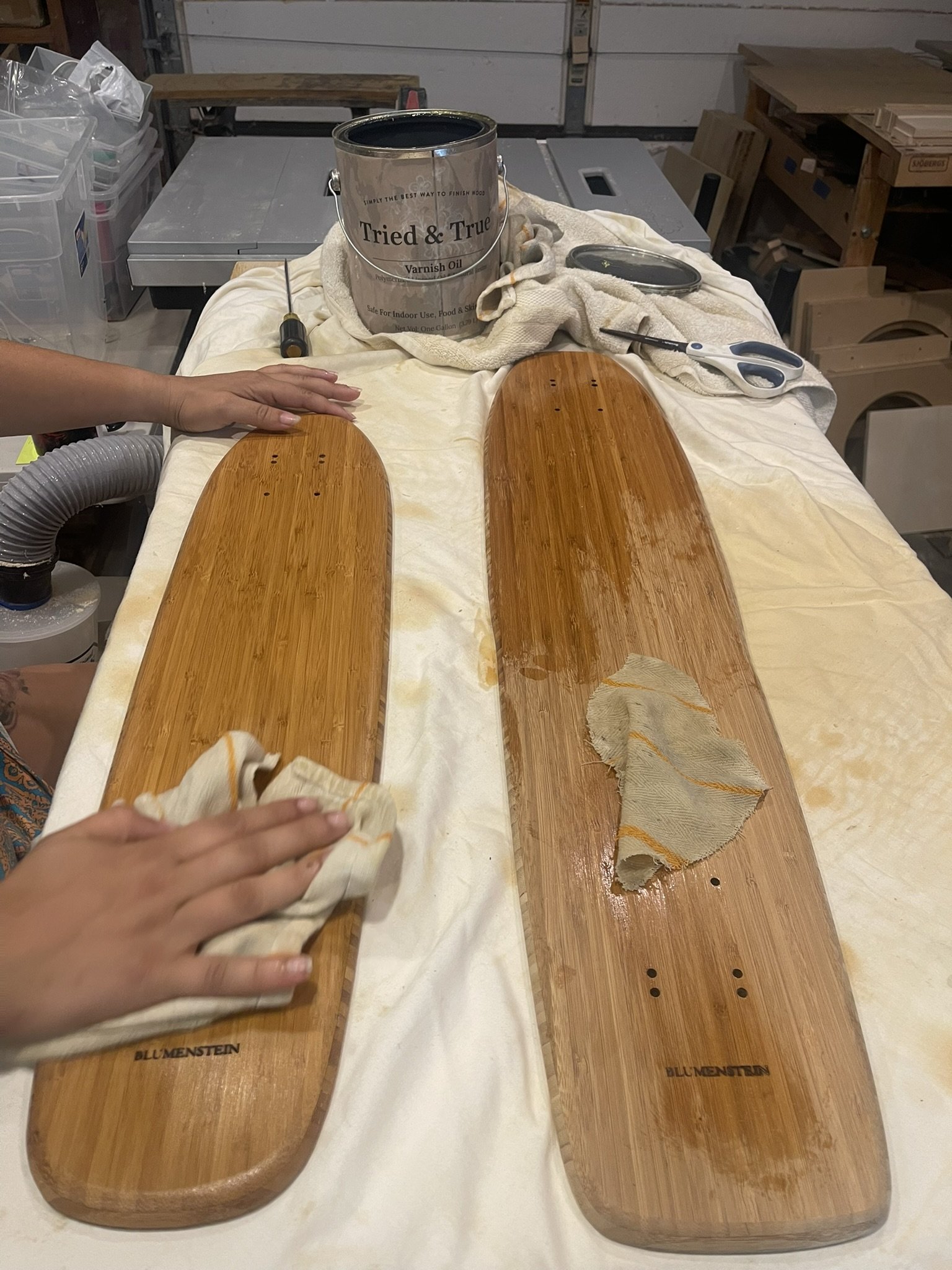
Linseed oil Recommended by mentors Terry & Leslie Cain. They insisted that I only use non toxic finish products because they’d both dealt with the health horrors of using typical spray finishes over the course of their woodworking / art professor careers.

As it turns out, violins and other fine musical instruments are also finished in linseed oil. I have worked with a prior apprentice of Blumenstein Audio who went on to develop a variety of violin finishing products. Over the years, we have continued to work together to to refine the acoustic recipe of what I do here with finishing the surfaces of the speakers…as well as the longboards.

Since 2004

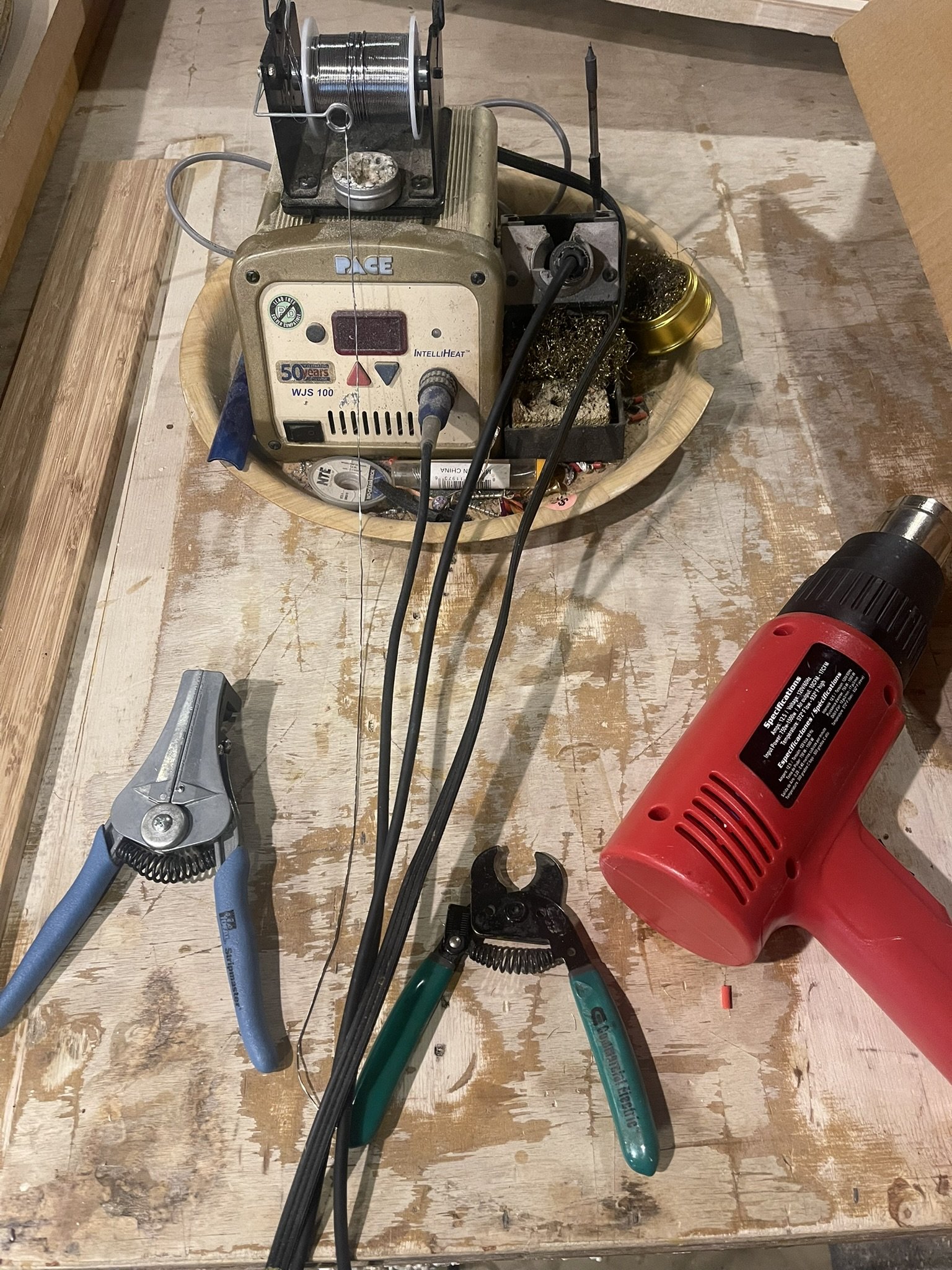
Soldered internal connections. Terry Cain and Feastrex also used soldered internal connections to give themselves a slight sonic edge over the competition. Industry standard is cheap female disconnects for connecting internal wires to the speaker drivers and binding posts.

Since 2004

Baltic Birch plywood - The type with interior grade (non toxic) glue, the glue layers are clear whereas the “Outdoor” or “marine” grade stuff actually doesn’t sound quite as good for music and can be identified by the black glue layers. “Outdoor” or “marine” grade Birch has toxins in that black glue that spreads around the shop and eventually off gasses in your home. Authentic Baltic / Russian birch (with the clear glue layers) that comes in 5’ x 5’ sheets is also the first choice of music industry professionals for loudspeaker material.

Since 2004

All parts made by humans.

All patterns and parts made in house, without the assistance of a CNC machine. Unnecessary woodworking detail is avoided to keep the focus on just the sound quality.

Since 2004

While there always seems to be something new on the scene, I somehow keep coming back full circle to working with the original Fostex and Pioneer type wide band drivers chosen by my original mentors Terry & Leslie Cain of Cain & Cain Audio. Terry had built many DIY audio systems dating back to the 70’s and carefully chose his favorites by the time he formally launched Cain & Cain Audio in 2001. At that point already, he’d chosen barely updated vintage drivers to launch his company with.

The important thing to bear in mind with full range drivers is that it’s already a 100+ year old technology, and the engineering behind them is basically mature and has been for quite some time. That’s not to say that progress isn’t being made at the cutting edge of the home built driver scene, but the best drivers in my opinion are still a few tried and true standby models that have been consistently produced by the hundreds of thousands, and gradually evolved into top modern day performers since the 1970’s.

Sticking with most of Terry’s favorite full range speaker drivers is a decision based on decades of further feedback and wisdom from thousands of additional Blumenstein customers from all over the globe. There’s always going to be the next level of musical performance possible from the original roots - and this is partly because the driver companies we’ve chosen to stick with for so long have also thankfully chosen to slowly, but surely refine their construction.